Seeing the Nikkei 225 shoot up 5% in a single session can feel like watching a rocket launch. Your first thought might be, "What just happened?" followed quickly by, "Should I jump in?" Let's cut through the noise. A move this sharp is never about one thing. It's a perfect storm of corporate reform, a strategic weak currency, and a massive global shift in where big money wants to sit. I've been tracking this market for over a decade, and what's happening now feels different from the short-lived pops we've seen before.
What's Driving the Surge? A Quick Guide
The Obvious Catalyst: Corporate Reforms and Shareholder Returns
For years, foreign investors complained about Japanese companies sitting on huge piles of cash and treating minority shareholders as an afterthought. That's changing, fast. The Tokyo Stock Exchange's public pressure campaign is working.
They've been naming and shaming companies with price-to-book ratios below 1x, effectively telling them to either improve their use of capital or face delisting. This isn't a gentle suggestion. It's a mandate.
The result? A historic wave of share buybacks and dividend hikes. In the last fiscal year, share buybacks hit a record high. Companies like Toyota and Sony aren't just talking about shareholder value; they're putting billions of yen behind it. This directly boosts earnings per share and makes stocks more attractive. It's a fundamental re-rating of the market, not just speculative trading.
Here's a snapshot of the pressure turning into action:
| Driver | What It Means | Example Impact |
|---|---|---|
| Tokyo Stock Exchange Pressure | Forcing firms with P/B < 1 to present capital improvement plans. | Hundreds of companies have announced buyback or ROE targets. |
| Record Share Buybacks | Companies returning excess cash to shareholders, boosting EPS. | Total buybacks exceeded ¥9 trillion in the recent fiscal year. |
| Governance Code Updates | Stricter rules on board independence and investor dialogue. | More outside directors, increased focus on capital cost. |
This is the structural bedrock of the rally. Money follows tangible change.
How Does a Weak Yen Fuel the Nikkei?
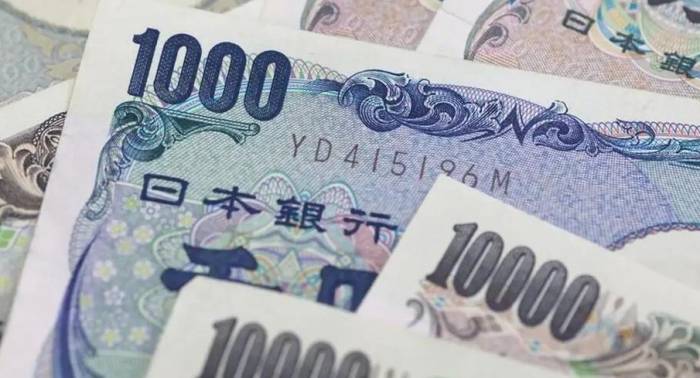
The yen hovering around multi-decade lows against the US dollar is a turbocharger for the Nikkei, but it's a double-edged sword that many newcomers misunderstand.
The Export Engine
For Japan's manufacturing giants, a weak yen is pure profit magic. When Toyota sells a car in the US for dollars, those dollars convert back into more yen on their home books. This instantly inflates their overseas earnings. It's a major reason why corporate profits have been hitting records. Sectors like automobiles, electronics, and industrial machinery get the biggest direct lift.
The Tourist Boom and Domestic Shift
It's not just goods. A cheap yen makes Japan an incredibly attractive destination. Tourism is booming, filling the coffers of retailers, hotel chains, and railway companies. Stores in Ginza and Osaka are catering to a flood of international visitors.
But here's the subtle error many make: they assume a weak yen is an unalloyed good. It's not.
It squeezes households and companies that rely on imports. Energy, food, raw materials—all cost more. This dampens domestic consumption and creates a political headache. The Bank of Japan is walking a tightrope because of this. The rally's beneficiaries are concentrated in the export-heavy, globally-facing segments of the index.
The Global Money Rotation: Why Japan Now?
Timing is everything. The 5% spike often comes when global fund managers are looking for a new home for their money. In 2023 and 2024, that's exactly what happened.
Investors grew nervous about stretched valuations in US tech stocks. China's economic recovery faced persistent headwinds. Europe was grappling with energy issues. Where could you go for a developed market that was both cheap and finally showing signs of fundamental improvement?
Japan.
The Nikkei, after decades, started breaking its old highs from the bubble era. This wasn't just a technical breakout; it was a psychological signal. It pulled in momentum money and long-term allocators who had been underweight Japan for years. Reports from giants like BlackRock and Goldman Sachs turned bullish, validating the trade. When this kind of institutional flow hits a market, it can create explosive single-day moves as they scramble to build positions.
It's a classic case of being in the right place at the right time with the right story.
Is This Nikkei Rally Sustainable?
This is the million-dollar question. Sustainability hinges on whether the drivers are cyclical or structural.
The case for sustainability is stronger than before:
- The corporate governance push is deep and institutional. It's not a policy that will be easily reversed.
- Companies have tasted the positive market reaction to buybacks and higher dividends. They're likely to continue.
- If global inflation remains sticky, the interest rate differential between Japan and the US could persist, keeping the yen weak for longer.
But the risks are real:
A sharp, sudden strengthening of the yen (perhaps triggered by Bank of Japan policy shift or a US recession) would immediately hurt export profits. Also, if the global economy slows significantly, it would hit demand for Japan's exports, regardless of the yen. Finally, domestic wage growth needs to catch up to inflation to support a broader, consumption-led rally. Right now, it's still a corporate profits story.
My view? It's more sustainable than past rallies, but expect volatility. It won't be a straight line up.
How to Approach Japanese Stocks After a Big Move
Chasing a 5% green candle is usually a bad idea. FOMO is a terrible investment strategy. Instead, think strategically.
Don't buy "the Nikkei." Be selective. Look for companies that are directly benefiting from the themes we discussed:
- Governance Champions: Firms with clear, ambitious capital return policies (high dividend yields, ongoing buyback programs). Check the Tokyo Stock Exchange disclosures for names.
- Global Franchises: Quality exporters with pricing power, not just those reliant on a cheap yen.
- Domestic Winners: Companies leveraged to tourism or domestic infrastructure spending that might benefit from government stimulus.
Consider using a low-cost ETF like the iShares MSCI Japan ETF (EWJ) or the JPX-Nikkei Index 400 ETF for broad, diversified exposure if you're not into picking individual stocks. Dollar-cost averaging in can smooth out the entry price after a big surge.
And always, hedge your currency risk if you're investing from abroad. A bet on Japanese stocks can be wiped out by a strengthening yen if you're not careful. Many ETFs offer currency-hedged share classes (look for tickers with "H" or "Hedged" in the name).
Your Questions Answered
Blindly buying right after a sharp spike increases your risk of buying at a short-term peak. The smarter move is to wait for a pullback or use a dollar-cost averaging approach to build a position over time. Use the surge as a signal to start your research, not to immediately hit the buy button. Focus on the specific companies and themes driving the rally, not the index itself.
The two biggest near-term risks are a rapid strengthening of the Japanese yen and a severe global economic slowdown. A strong yen hits exporter profits directly. A global slump hurts demand for Japan's products. Domestically, if wage growth fails to keep pace with inflation, it could eventually sap consumer spending and political support for the weak-yen policy. Also, watch for any signs that the corporate reform momentum is stalling.
It can create a competitive dynamic for global investment dollars. When Japan is performing well, it can divert funds that might have gone to other markets in the region, especially if those markets have their own problems (like China's property sector). However, a healthy Japanese economy can also be a positive for regional trade partners. In the short term, the effect is often one of capital rotation—money flowing out of underperforming markets and into the hot one, which can pressure neighboring exchanges.
Officials never say "we want a weak yen" outright—it's considered currency manipulation. But their actions speak volumes. The Bank of Japan's ultra-loose monetary policy, which remains in place even as other central banks hike rates, is the primary driver of yen weakness. The government has repeatedly stated that they are watching currency moves "with a high sense of urgency," but their interventions to support the yen have been limited and targeted. The practical effect is a tolerance for a weaker currency to support economic growth and corporate profits.