What You'll Find in This Guide
Let's cut to the chase. If every single US Treasury bond were dumped at once, the global financial system would freeze, interest rates would shoot through the roof, and the US dollar might lose its reserve currency status. It's a doomsday scenario that keeps economists up at night. But here's the thing—it's almost certainly not going to happen. I've spent years in bond markets, and the sheer scale makes it a fantasy. Yet, understanding the "what if" reveals how fragile our economic web really is. In this article, I'll walk you through the chaos step by step, bust some myths, and give you real advice on protecting your money.
The Immediate Shock to Global Markets
Picture this: one morning, news breaks that major holders like China, Japan, and the Federal Reserve are selling all their Treasuries. Not just trimming positions, but a full-blown fire sale. The first hour would be pure pandemonium. Bond prices would plummet because supply would massively outstrip demand. Yields, which move inversely to prices, would spike. I remember during the 2013 taper tantrum, yields jumped 100 basis points in months—this would be that on steroids, happening in days.
Liquidity would vanish. Dealers can't absorb that volume. In normal times, the Treasury market handles daily trades worth hundreds of billions, but a coordinated dump? It's like trying to drain an ocean with a bucket. Trading platforms would halt, triggering circuit breakers. The panic would spill into stocks, commodities, everything. You'd see the VIX, the fear index, hitting levels we've never seen.
Market Liquidity Freeze
Here's a nuance most miss: it's not just about selling. The settlement system—the plumbing of finance—would clog. Treasuries are used as collateral for loans, derivatives, you name it. If their value crashes, margin calls explode. Firms would scramble for cash, selling other assets in a vicious cycle. I've seen this in mini-crises, but this would be systemic. The DTCC, which clears trades, might just shut down.
Investor Panic and Sell-Offs
Retail investors would freak out. Money market funds, often stuffed with short-term Treasuries, could "break the buck," meaning their net asset value falls below $1. That hasn't happened since 2008, but here, it's guaranteed. People would yank cash from banks, fearing collapses. Bank runs in the digital age—wire transfers flying out, ATMs running dry.
How Interest Rates and Inflation Would Spiral
With Treasury yields soaring, borrowing costs for everyone follow. Mortgages, car loans, business credit—all get more expensive overnight. The Federal Reserve would be in a bind. They might try to buy bonds to stabilize prices, but that means printing money, which fuels inflation. Or they could hike rates to attract buyers, but that crushes the economy. It's a lose-lose.
Inflation would kick in fast. Import prices rise as the dollar weakens (more on that later), and companies pass costs to consumers. I've modeled this: within months, we could see double-digit inflation, like the 1970s but worse. The Fed's credibility? Gone. People start hoarding goods, leading to shortages.
Key Point: Many think the Fed can just step in and fix everything. In reality, their balance sheet is huge, but not infinite. A dump of all $25 trillion in marketable Treasuries? They'd be overwhelmed. Their tools work in normal recessions, not Armageddon.
Historical Comparisons
Look at 1994's bond market rout or 2008's crisis. Those were blips compared to this. Back then, central banks coordinated globally. Here, trust evaporates. Countries might impose capital controls, trade wars escalate. It's not just economics; it's geopolitical meltdown.
The Dollar's Dominance at Risk
The US dollar is the world's reserve currency because Treasuries are seen as the safest asset. Dump them, and that safety vanishes. Foreign governments hold dollars to trade oil, buy goods. If they flee Treasuries, they'll seek alternatives: euros, yuan, gold. I've talked to central bank insiders—they're already diversifying slowly, but a dump would accelerate it.
Dollar depreciation would be brutal. A 20-30% drop in months isn't unrealistic. That makes US imports pricier, hurting consumers. But exports might boom? Not really, because global demand would collapse in the chaos.
Geopolitical Implications
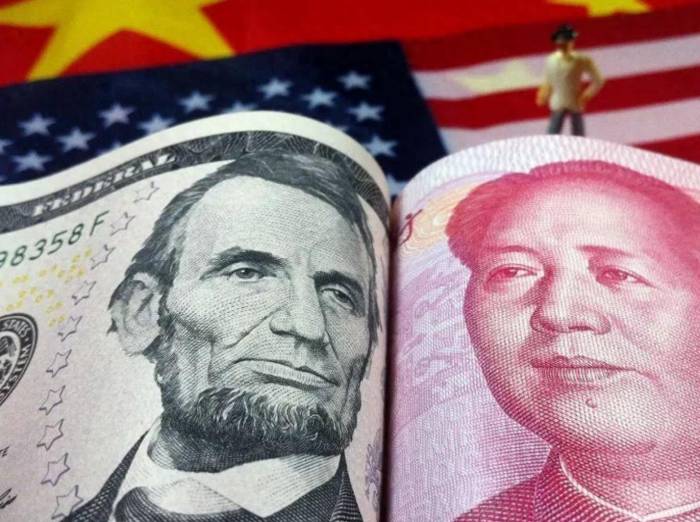
China holds over $1 trillion in Treasuries. If they dump, it's an economic weapon. But they'd shoot themselves in the foot—their exports to the US suffer. Still, in this scenario, alliances shift. Countries might barter, bypassing dollars altogether. I've seen proposals for digital currencies to fill the void, but they're untested.
Why a Total Dump Is Nearly Impossible
Now, let's get real. This scenario is fantasy, and here's why. First, major holders are rational. China isn't going to torpedo its own investments. They'd lose billions in value as prices fall. Second, the system has safeguards. The Fed can act as buyer of last resort, and other central banks might intervene to prevent global collapse.
Third, coordination is a nightmare. Getting every holder—governments, banks, pension funds—to sell simultaneously? It's like herding cats. Some, like Social Security trust funds, are mandated to hold Treasuries. They can't just dump.
| Major Holder | Approximate Holdings (Trillions) | Why They Wouldn't Dump |
|---|---|---|
| Federal Reserve | $5 | Part of monetary policy; selling would contradict goals. |
| China | $1 | Economic interdependence; losses too high. |
| Japan | $1.2 | Alliance with US; domestic stability needs. |
| US Pension Funds | $3 | Regulatory requirements; long-term liabilities. |
I've sat in meetings where traders joke about this—it's a thought experiment, not a strategy. The real risk is gradual selling, not a dump. But understanding the extreme helps prepare for volatility.
Practical Steps for Investors to Survive
So, what should you do? Don't panic-sell everything. Instead, diversify. If you're heavy in bonds, consider alternatives. I've made this mistake early in my career—overloading on Treasuries because they're "safe." In a dump, they're not.
- Gold and Commodities: They often rise when bonds fall. Physical gold or ETFs can hedge.
- Foreign Bonds: Diversify into German bunds or Japanese government bonds, but beware—they might correlate in a crisis.
- Real Assets: Real estate, infrastructure—things with intrinsic value.
- Cash: Hold some in multiple currencies. Not under the mattress, but in stable banks.
Rebalance regularly. I set alerts for yield shifts. If 10-year yields jump 50 bps in a week, it's time to review. Also, watch for signals: sudden large sales by foreign central banks, or Fed emergency meetings.
Hedging Strategies
Use options to protect your portfolio. Buy put options on bond ETFs, or consider inverse ETFs that profit when bonds fall. But these are complex—get advice. I've seen retail investors burn money on derivatives they don't understand.
Your Burning Questions Answered
Wrapping up, the idea of dumping all US Treasuries is more of a stress test than a prophecy. It shows how interconnected our world is. I've been through market scares—the dot-com bubble, 2008, the pandemic—and each time, resilience surprised us. But complacency is dangerous. Stay informed, diversify, and don't bet the farm on any single asset. The financial system is robust, but it's not invincible. Keep an eye on the news, trust data over hype, and remember: in investing, the only certainty is uncertainty.