Overwatered Plant Signs: 7 Warning Signals You Miss
I killed three pothos plants before I realized the problem wasn’t neglect. It was love. Too much water, too often. The overwatered plant signs were there—I just didn’t read them. Yellow leaves? I thought it needed more water. Drooping stems? Must be thirsty. Wrong on both counts. After a decade of growing houseplants and losing a few along the way, I’ve learned that overwatering is the silent killer in most homes. Here’s what to look for, backed by what I’ve seen on my own windowsill and in friends’ apartments.
What I’ll walk you through
The 7 Overwatered Plant Signs That Matter
Most lists give you ten vague symptoms. I’m giving you seven that actually show up in real homes—and I’ll tell you which ones I’ve personally seen on my own plants.
| Sign | What It Looks Like in Real Life | Why It Happens |
|---|---|---|
| Yellowing lower leaves | Older leaves turn pale yellow, starting from the stem upward | Roots suffocate and can’t pull up nutrients |
| Mushy stems or brown, squishy roots | You touch the base and it feels soft, not firm | Cells burst from excess water; rot sets in |
| Fungus gnats hovering around the soil | Tiny black flies near the pot, especially after watering | Larvae thrive in constantly wet soil |
| Wilting despite wet soil | Leaves droop even though the soil is damp to the touch | Roots are damaged and can’t take up water |
| Leaf drop | Healthy-looking leaves fall off when you brush past | Plant is shedding extra foliage it can’t support |
| Soil that stays wet for days | You water on Monday and it’s still soggy on Friday | Poor drainage or a pot without holes |
| White or gray mold on soil surface | Fuzzy patches on top of the potting mix | Constant moisture encourages fungal growth |
That last one—mold on the soil—is the sign I ignored for weeks. I thought it was harmless. Then the leaves started dropping. By the time I pulled the plant out, the roots were brown and slimy. The smell? Like a wet basement. Not pleasant.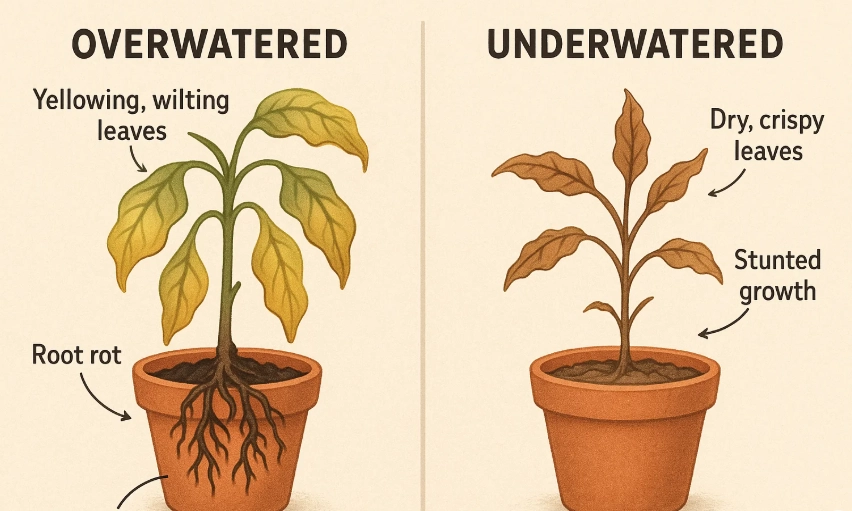
Why Yellow Leaves Lie to You
Here’s a counterintuitive truth: yellow leaves are not always a cry for water. When a plant is overwatered, the roots can’t breathe. They actually start to rot. The yellowing is a stress response, not a thirst signal. I’ve seen people flood their plants with more water because they saw yellow leaves—and that’s the quickest way to finish them off. My rule: if the soil is wet and the leaves are yellow, stop watering. Wait. Let it dry out.
One subtle mistake I made early on: I used a pot without drainage holes. The soil looked dry on top, but the bottom was a swamp. Always check the bottom inch with your finger or a wooden skewer. If it’s damp, wait.
How to Rescue an Overwatered Plant
First, stop watering. That’s obvious. But here’s what actually works, step by step, from my own rescue attempts.
Step 1: Get the plant out of the wet soil
Gently pull the root ball out. If the roots are brown and mushy, trim them with sterilized scissors. Healthy roots are white or light tan and firm.
Step 2: Repot in fresh, dry mix
Use a well-draining potting mix—add perlite if you have it. I mix about 30% perlite into regular potting soil for my tropicals. It makes a noticeable difference.
Step 3: Choose a pot with drainage
Terracotta is my go-to because it wicks moisture away. Plastic works too, but only if it has holes. I’ve seen too many decorative pots with no drainage. Skip them.
Step 4: Wait before watering again
Give the plant a week. Let the roots recover. Then water lightly. If you’re unsure, wait another day. Overwatered plants are more forgiving of drought than of another soak.
How to Water So This Never Happens
I learned this from a nursery owner in my neighborhood—she’s been growing plants for thirty years. Her advice: water by weight, not by schedule. Pick up the pot. If it feels light, water. If it feels heavy, wait. That simple trick has saved more of my plants than any moisture meter.
Also, check the top two inches of soil before watering. If it’s still damp, don’t water. And remember: plants in low light need less water. My south-facing window plants dry out faster than the ones in my north-facing bathroom.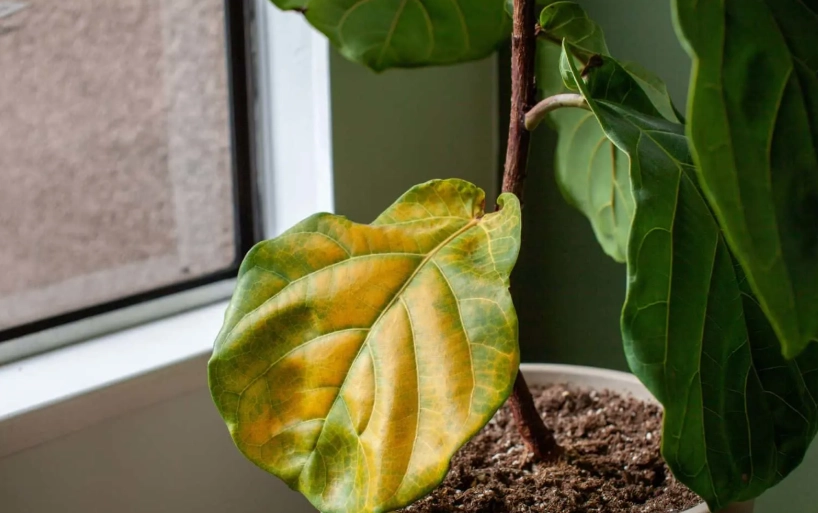
Your Questions, Answered
My plant has yellow leaves but the soil is dry—could it still be overwatered?
Unlikely. Yellow leaves with dry soil usually point to underwatering or nutrient deficiency. But check the roots: if they’re brown and mushy, it’s root rot from past overwatering, and the soil might have dried out after the damage was done.
How long does it take for an overwatered plant to recover?
Depends on the damage. Mild cases—just yellowing lower leaves—can bounce back in two to three weeks after you fix the watering. Severe root rot might take a month or more, and some plants won’t make it. I’ve had pothos recover in ten days, but a fern took six weeks.
Can I save a plant with mushy roots?
Yes, if you act fast. Trim all the mushy roots, repot in fresh dry mix, and keep it out of direct sun. Water sparingly. I’ve saved a peace lily this way, but it lost half its leaves first. Don’t panic—leaf loss is normal during recovery.
Do fungus gnats always mean overwatering?
Not always, but they’re a strong hint. Fungus gnats lay eggs in moist soil. If you see them, let the top inch of soil dry out completely between waterings. I use yellow sticky traps for the adults and a layer of sand on top of the soil to stop the larvae.
I’ve made these mistakes so you don’t have to. The biggest one: assuming drooping means thirsty. Check the soil first. Your plant will thank you.

Comments