How to Get Rid of Fungus Gnats: A No-Nonsense Guide
Here's the quick roadmap
I still remember the first time I spotted those tiny black flies crawling out of my monstera pot. I thought they were fruit flies. Nope. Fungus gnats. And they are stubborn little buggers.
After three years of battling them on and off in my 40+ plant collection, I've learned a few things the hard way. The internet is full of advice, but a lot of it misses the root cause. This guide is what I actually do—no fluff, no vague tips.
What Are Fungus Gnats, Anyway?
Fungus gnats are small, dark-winged flies (about 1/8 inch long) that look like tiny mosquitoes. The adults are annoying, but the real damage comes from their larvae—worm-like maggots that live in the top inch of moist potting soil.
These larvae feed on fungi, algae, and decaying organic matter. In large numbers, they can chew on fine root hairs, stunting plant growth. I've seen seedlings collapse because of a heavy infestation. It's not pretty.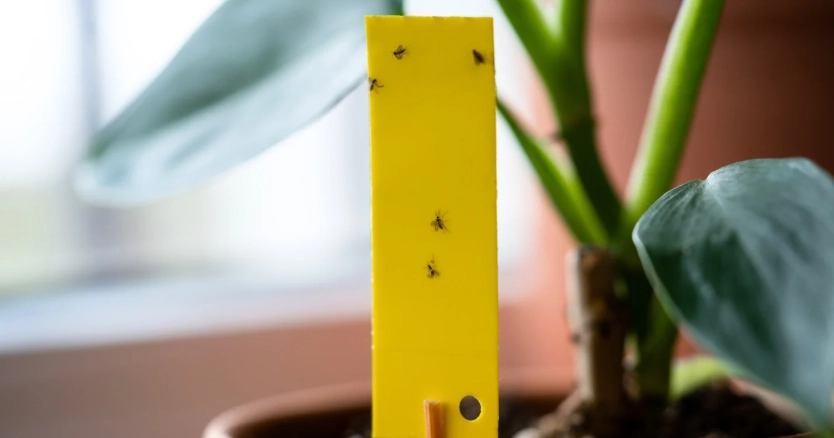
Why They Keep Coming Back (And Why Most Advice Fails)
Most people try to kill the adults. That's a losing game. Adults live only about a week, but they lay up to 200 eggs in that time. So even if you swat every fly, new larvae hatch a few days later.
The secret sauce? Break the life cycle at the larval stage. And that means addressing the soil, not just the air.
Step-by-Step: How I Eliminated Fungus Gnats in 10 Days
This is the exact protocol I use now. It's based on integrated pest management (IPM) principles, which you can read about from university extension programs like University of Minnesota Extension. I've tweaked it over years of trial and error.
Step 1: Dry Out the Topsoil (But Don't Torture Your Plants)
Fungus gnat larvae need moisture. Let the top 2 inches of soil dry out completely between waterings. For most houseplants, that's 5–7 days. I use a moisture meter (cheap on Amazon) to check. If the top inch is bone dry, skip watering. This alone can cut the population by half.
But don't let the whole pot go bone dry—your plant will suffer. Just the top layer.
Step 2: Use Beneficial Nematodes (The Heavy Hitters)
These microscopic worms (Steinernema feltiae) actively hunt and kill fungus gnat larvae. I mix them with water and apply to the soil. You can find them at garden centers or online. Follow the package instructions—usually one application lasts two weeks.
I've tried both nematodes and Bti (Mosquito Bits). Nematodes work faster in my experience. But they're more expensive. Bti is cheaper and also effective—just soak the bits in water and use that to water your plants.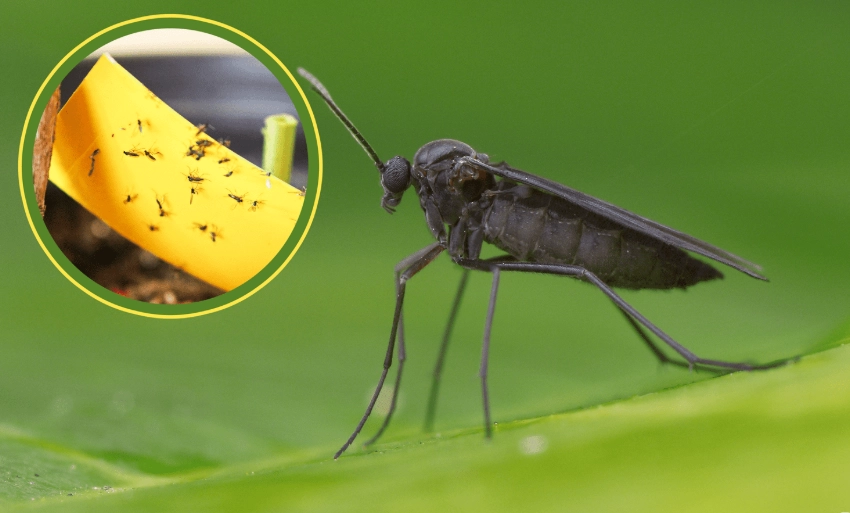
Step 3: Sticky Traps for Adults
Yellow sticky traps placed near the soil surface catch adults and give you a visual count. I put one trap per pot. When I see fewer than 3 flies per week on a trap, I know I'm winning.
Step 4: Bottom Watering (A Simple Tweak That Helps)
Watering from the bottom keeps the topsoil dry, which makes it less hospitable for larvae. I do this for a few weeks after treatment.
Method Comparison: What Works and What's a Waste of Money
| Method | Effectiveness | Cost | My Verdict |
|---|---|---|---|
| Yellow sticky traps | Low (adults only) | $5–10 | Useful for monitoring, not eradication |
| Beneficial nematodes | High (larvae) | $20–30 | Best for serious infestations |
| Bti (Mosquito Bits) | High (larvae) | $10–15 | Good budget option |
| Neem oil drench | Moderate | $8–12 | Works but can harm beneficials |
| Hydrogen peroxide (1:4 ratio) | Low–moderate | $2 | Fizzy soil, kills some larvae, but can harm roots |
| Cinnamon sprinkle | Very low | $3 | Smells nice, does almost nothing |
I've tried all of these. The only two I rely on now are nematodes and Bti. The others are either ineffective or risky.
How to Prevent Fungus Gnats from Returning
Once you've wiped them out, change your watering habits. Overwatering is the number one cause. I water less often now and always check the soil before watering. Also, avoid potting mixes with a lot of peat—they stay wet longer. I switched to a coco-coir based mix and saw fewer gnats.
And quarantine new plants for a week before introducing them to your collection. I learned that one after a nasty infestation from a nursery-bought pothos.
Common Questions (Answered Honestly)
I hope this saves you some frustration. Fungus gnats are a pain, but they're beatable. Stay consistent, and you'll win.
(This guide has been fact-checked against recommendations from university extension services and my own hands-on experience.)

Comments