Root Rot Treatment for Houseplants: How to Save Your Plant
Jump to What You Need
I still remember the first plant I killed with kindness. A peace lily, sitting in a beautiful ceramic pot with no drainage hole. I watered it every Sunday like clockwork. Three weeks later, the leaves drooped, turned yellow, and the whole thing collapsed. When I pulled it out, the roots were brown mush and smelled like a swamp. That's when I learned the hard way: root rot doesn't announce itself with a flashing sign. It sneaks up.
Since then, I've treated dozens of houseplants with root rot—some I saved, some I lost. The difference usually comes down to one thing: acting fast and knowing what to look for. This isn't a textbook guide. It's the playbook I wish I had back then.
What Is Root Rot, Really?
Root rot isn't just "too much water." It's a combination of suffocation and infection. When soil stays wet for too long, roots can't breathe. They start to die. Then opportunistic fungi—like Pythium or Rhizoctonia—move in and finish the job. The roots turn brown, mushy, and lose their ability to absorb water. Ironically, the plant looks thirsty because it can't drink.
Most people think root rot is a disease. It's more of a drowning incident that invites pathogens. That distinction matters for treatment: you can't just spray something and fix it. You have to dry out the roots and remove the dead tissue.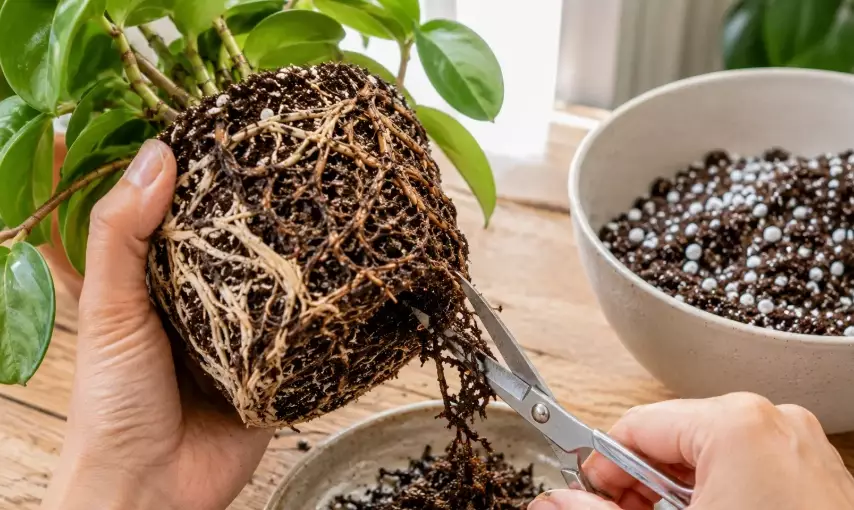
Early Signs Most People Miss
By the time yellow leaves show up, the rot is often advanced. Here's what I check first:
- Smell the soil. Healthy soil smells earthy. Rotting soil smells sour or like rotten eggs. I stick my nose right up to the pot. If I recoil, that's a red flag.
- Touch the soil. Stick a finger two inches down. If it's soggy days after watering, drainage is poor.
- Look at the pot. Are there fungus gnats? They love wet soil. A sudden swarm often means the soil is staying too damp.
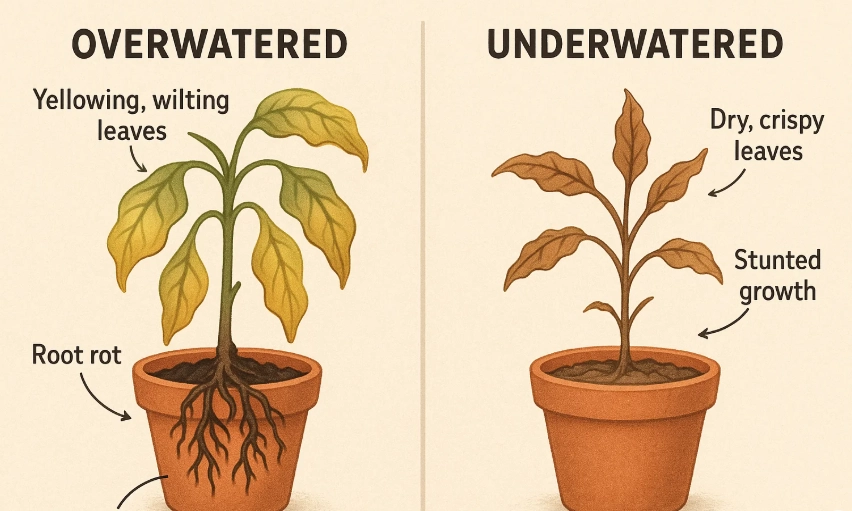
- Wilting despite wet soil. This is the classic sign. The plant looks thirsty but the soil is drenched. That's because the roots are dead and can't take up water.
My non-consensus take: Don't trust yellow leaves alone. I've seen plants with yellow leaves from nutrient deficiencies or old age. The smell test is far more reliable. If the soil smells funky, investigate immediately.
Emergency Root Rot Treatment (Step-by-Step)
When I confirm root rot, I move fast. Here's my exact process. I've used it on pothos, monsteras, peace lilies, and even a stubborn fiddle leaf fig.
Step 1: Unpot and Inspect
Step 2: Trim the Rot
Step 3: Treat (Optional but Helpful)
Step 4: Repot in Fresh Soil
Step 5: Create a Humid Recovery Zone
Recovery Care: The 30-Day Plan
Don't expect instant bounce-back. Here's what I do for the first month: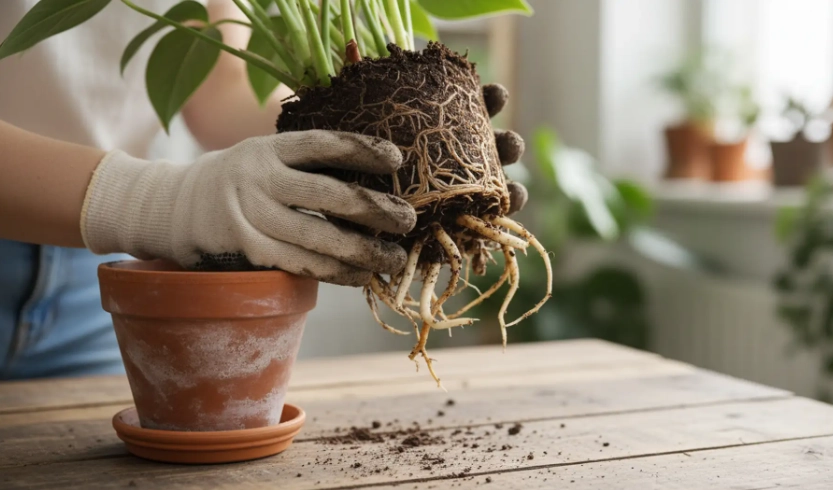
| Week | Watering | What to Watch For |
|---|---|---|
| Week 1 | No water unless soil is bone dry. Mist leaves if bag is off. | Yellowing leaves may continue—that's normal. Remove them so the plant doesn't waste energy. |
| Week 2 | Water lightly if top inch is dry. Use a moisture meter if unsure. | New growth? That's your first sign of recovery. If stems turn mushy, rot spread—start over with a cutting if possible. |
| Week 3 | Water normally (when top 2 inches dry). | Check for pests—stressed plants attract them. I wipe leaves with neem oil once. |
| Week 4 | Resume regular schedule for your plant type. | If no new growth and plant looks worse, it might be time to propagate or let go. |
I won't lie—some plants don't make it. I lost a calathea last year because I waited too long. But the ones I caught early? They're thriving.
Prevention Mistakes I See Constantly
Most root rot is preventable. Here's what I see people get wrong—and what I do instead.
- Using pots without drainage. I don't care how pretty the pot is—if it has no hole, it's a death trap. I use a nursery pot inside a decorative cachepot and empty the cachepot after watering.
- Watering on a schedule. Plants don't care about your calendar. I water when the soil tells me to. A moisture meter helps, but my finger works fine.
- Over-potting. A huge pot holds too much soil, which stays wet longer. I size up only 1-2 inches at a time.
- Ignoring the saucer. Water sitting in the saucer gets reabsorbed. I dump it out 10 minutes after watering.
One more thing: don't use rocks at the bottom of a pot for "drainage." That's an old myth. It actually raises the water table and makes rot worse.
Your Burning Questions (Answered)
Fact-checked against the Royal Horticultural Society's guidance on root rot and my own field notes.

Comments