Repotting Root Bound Plants: Fix Root Circling Fast

Quick Navigation: My Repotting Playbook
First time I pulled a root bound pothos out of its pot, I panicked. The roots were a solid brick, circling like a snake ball. I hacked at them with scissors. Bad move—that plant sulked for months. Since then, I've repotted hundreds of root bound plants, from spider plants to ficus trees. Here's what actually works.
Repotting root bound plants isn't just about sizing up. It's about breaking that root spiral without shocking the plant. You need to know when to act, how to loosen the roots, and what soil mix stops the circling from starting again. That's what this guide covers—no fluff.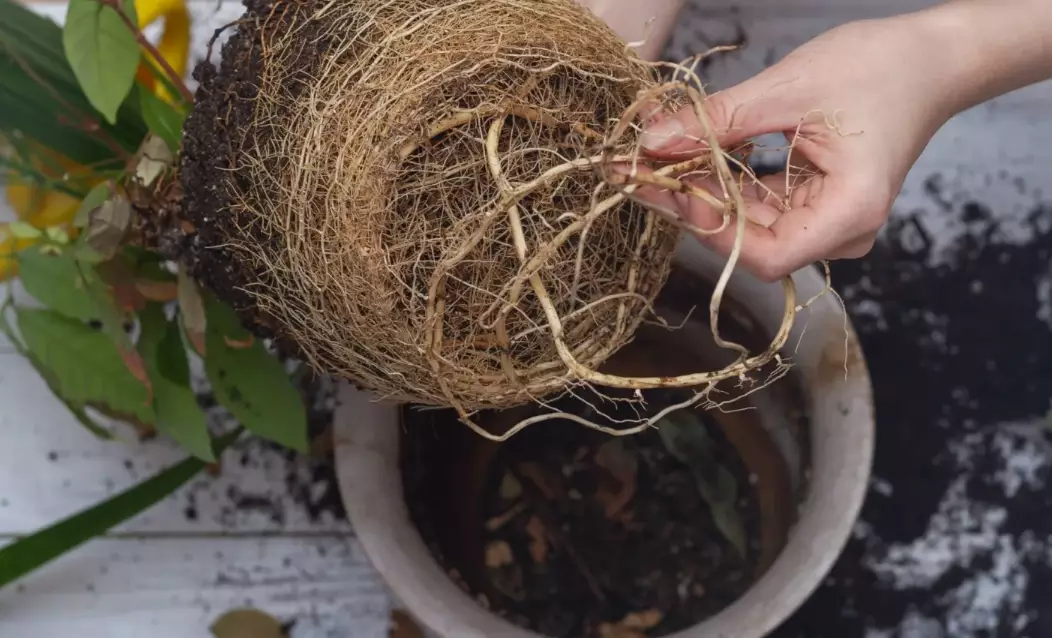
What Does Root Bound Actually Mean?
Root bound means roots have filled the pot completely. They've run out of space, so they start circling the inner wall. It's not always bad—some plants like being snug. But once roots circle more than a few times, water can't penetrate the root mass. Nutrients get locked out. The plant stalls.
I see this most in fast growers: pothos, peace lilies, philodendrons. They hit root bound status in 12-18 months. Slow growers like snake plants? Maybe every 3-4 years.
My non-consensus take: A slightly root bound plant often blooms better (think orchids and Christmas cacti). Don't rush to repot just because you see a few roots at the drainage hole. Wait for the signs below.
How to Tell If Your Plant Is Root Bound
Forget the calendar. Look at the plant. Here are the five signs I check, in order of reliability:
- Roots popping out of drainage holes – not just one, but multiple roots circling the hole.
- Water runs straight through – you water, and it gushes out the bottom in seconds. That means the root mass is so dense, water can't soak in.
- Soil pulls away from the pot edge – a gap forms between soil and pot wall. Roots have pushed the soil inward.
- Stunted growth despite good light and feeding – new leaves stay small or stop entirely.
- The "lift test" – gently tug the plant by the base. If the whole root ball comes out as a solid brick, you've got root bound plants on your hands.
I once ignored a gap between soil and pot on my hoya. Two months later, the plant dropped half its leaves. The roots had suffocated. Learn from my laziness.
When Is It Safe to Repot Root Bound Plants?
Timing matters more than people think. Repotting during active growth (spring to early summer) gives roots a chance to spread. Repotting in winter? The plant sits in wet soil with no energy to grow. Root rot risk goes up.
But—and this is a big but—if your plant is severely root bound (roots circling 5+ times, water bouncing off), repot immediately, even in winter. Just be stingy with water afterward.
Here's a quick reference table for common houseplants:
| Plant | Best Repotting Window | Signs It's Urgent | Pot Size Increase |
|---|---|---|---|
| Pothos | Spring–early summer | Roots out of drainage, yellowing older leaves | 2 inches wider |
| Monstera | Late spring | Roots circling topsoil, new leaves tiny | 2–3 inches wider |
| Peace Lily | Spring | Wilting within 2 days of watering | 2 inches wider |
| Snake Plant | Summer | Pot bulging, roots cracking the pot | 1–2 inches wider |
Step-by-Step Repotting Without Killing Roots
My method comes from trial and error—mostly error. Here's the sequence I use now, refined after losing a few ferns to root shock.
Step 1: Prep the New Pot and Soil
Choose a pot 2 inches wider in diameter. Any bigger, and the roots sit in soggy soil they can't reach. For soil, use a chunky mix: 60% potting soil, 30% perlite, 10% orchid bark. That combo gives roots air and drainage. Root bound plants are already stressed—don't drown them.
Step 2: Water the Plant Lightly the Day Before
Dry roots snap. Slightly moist roots bend. I water the day before repotting, then let the top inch dry. This tip alone saved my fiddle leaf fig.
Step 3: Remove the Root Ball Gently
Turn the pot sideways. Squeeze the sides if plastic. Tap the bottom. If the plant won't budge, run a butter knife around the inner edge. Never pull by the stem—you'll rip roots.
Step 4: Loosen the Roots (The Critical Part)
This is where most people go wrong. You see that dense spiral? You need to break it. Use your fingers to gently tease apart the outer roots. Work from the bottom up. For stubborn circling roots, make 3-4 vertical slits around the root ball with a clean knife, about half an inch deep. Don't saw through the center.
What I learned the hard way: Never use scissors to cut off large chunks of healthy roots unless they're mushy or dead. I did that to a peace lily. It took 8 months to recover. Slits are enough to redirect growth outward.
Step 5: Plant at the Same Depth
Fill the new pot with soil to the height where the root ball sits with its top just below the rim. Set the plant in. Backfill around the sides, pressing gently to remove air pockets. Leave a 1-inch gap between soil surface and pot rim for watering.
Step 6: Water and Wait
Water thoroughly until it drains out the bottom. Then—this is crucial—don't water again until the top 2 inches are dry. Root bound plants need time to heal. Overwatering after repotting is the #1 killer.
Common Repotting Mistakes I Made (So You Don't)
- Jumping pot sizes too much. A 10-inch pot for a 4-inch root ball means wet soil at the bottom. Roots rot. I ruined a beautiful calathea that way.
- Ripping the root ball apart. Gentle teasing. That's it. Think of detangling wet hair—patience.
- Using garden soil indoors. It compacts like concrete. My first repotting attempt smelled like a swamp two weeks later.
- Fertilizing right after repotting. Roots are in shock. They can't absorb nutrients. Wait a month.
One more thing: after repotting root bound plants, expect a little droop for 3-5 days. That's normal. Don't panic-water. Let the roots settle.
Honestly, the best thing I did for my root bound plants was learn to wait. Roots know how to recover. Your job is to give them a bigger bed and then leave them alone.
Real Questions from My Plant Group
Final thought: repotting root bound plants is less about force and more about finesse. Loosen, don't rip. Size up, don't overshoot. And give the plant a month of quiet. It'll reward you.
Comments