How Often to Water Houseplants: Stop Overwatering Now
Let me save you some time: there's no magic "every 7 days" rule. I've watched friends drown their succulents with love and let their ferns crisp up from neglect. The real answer to how often to water houseplants depends on a dozen little factors—pot size, soil mix, room humidity, and honestly, the plant's mood that week. I've spent years testing and observing (and yes, losing a few plants along the way), and here's the honest, practical guide I wish I'd had from day one.
🧭 Your Quick Plant-Watering Roadmap
The Finger Test That Beats Any Watering Schedule
Forget the calendar. The single most reliable method I've used across hundreds of plants is the finger test—stick your index finger into the soil up to the second knuckle (about 2 inches). If it feels dry, water. If there's any moisture, wait. That's it. No gadgets, no guessing.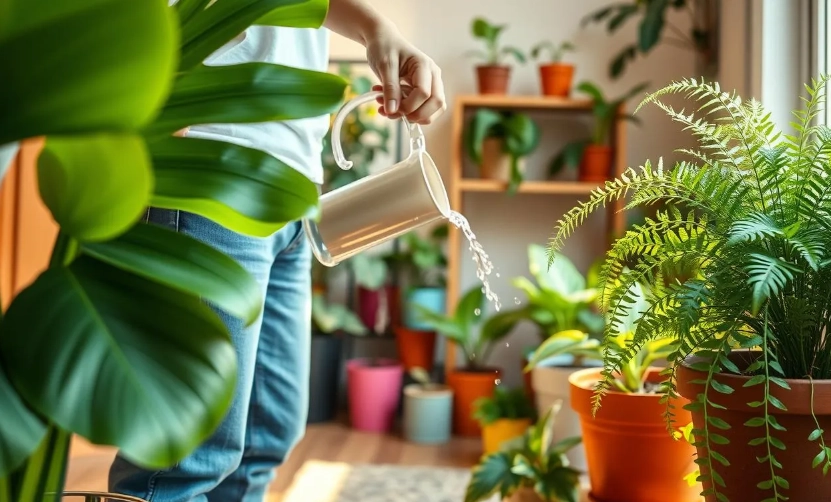
Why does this beat a fixed schedule? Because your home isn't a greenhouse. A south-facing window in July dries soil three times faster than the same pot in January. I've seen a pothos in terracotta go from needing water every 5 days to every 12 days just by moving it two feet away from an air vent. The finger test respects those variables.
One non-consensus tip: don't trust those cheap moisture meters from big-box stores. I've tested five brands, and most read "dry" in bone-dry soil and "moist" after a light misting. Your finger is more accurate and free.
How Seasonal Changes Affect Watering
Here's where most people get tripped up. They find a rhythm in spring, then wonder why leaves drop in winter. Plants slow down. Light drops. Soil stays wet longer. During the cooler months, I cut my watering frequency by roughly half for most tropicals. In summer, during active growth, I'm watering more often—sometimes every 4–5 days for thirsty plants like peace lilies.
But it's not just frequency—it's timing. I water early in the morning during summer so leaves dry before evening, reducing fungal risk. In winter, I water less deeply but more evenly. Uneven watering is a silent killer.
Plant Type Matters More Than You Think
You can't water a cactus like a calathea. Quick breakdown based on my own plants:
| Plant Type | Typical Watering Frequency (Indoors) | Key Note |
|---|---|---|
| Succulents & Cacti | Every 2–4 weeks | Let soil dry completely; when in doubt, wait |
| Tropicals (Pothos, Philodendron) | Every 7–10 days | Top inch dry = water time |
| Ferns & Calatheas | Every 4–7 days | Keep consistently moist; never soggy |
| Peace Lilies | Every 5–8 days | They droop dramatically when thirsty—then bounce back |
| Snake Plants | Every 3–6 weeks | Overwatering is the #1 killer |
Notice the ranges are wide. That's intentional. Use these as starting points, then adjust based on your finger test.
Signs You're Overwatering (and How to Fix It)
Yellowing lower leaves. Mushy stems. Soil that smells like a swamp. These are the classic signs. But here's a subtle one I learned the hard way: fungus gnats. Those tiny black flies hovering around your pot? They're a neon sign that your soil is staying too wet for too long. I ignored them for months, then lost a beautiful pilea to root rot.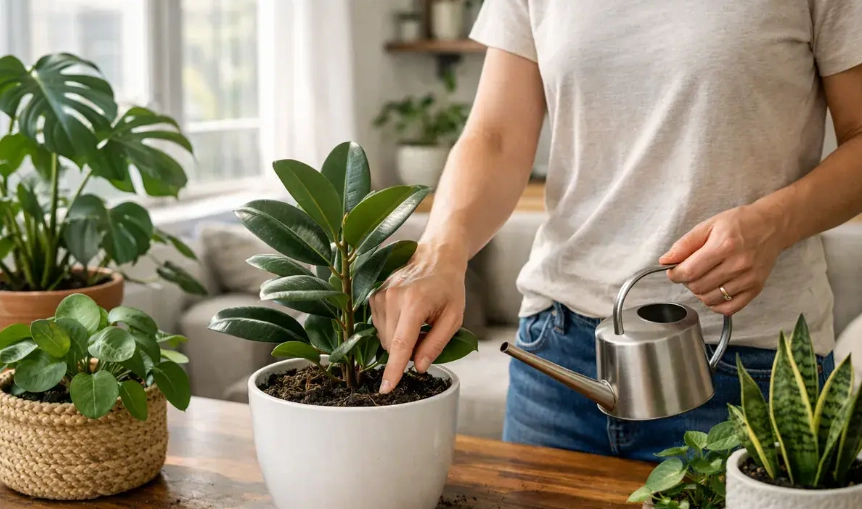
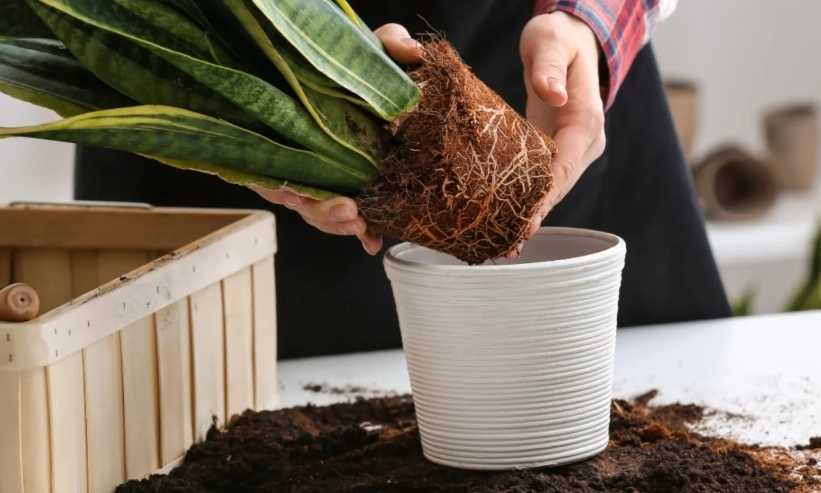
The fix: stop watering. Seriously. Let the soil dry out almost completely. If the plant is in a pot without drainage holes, repot it immediately into one that has them. I keep a stash of terracotta pots for exactly this reason—they wick moisture and forgive overwatering better than plastic.
Another non-obvious sign: wilting that doesn't improve after watering. That's often root rot, not thirst. If leaves are limp and soil is wet, don't water more. Remove the plant, trim mushy roots, and repot in fresh, dry mix.
Real Questions from Real Plant Killers
At the end of the day, learning how often to water houseplants is about observation, not rules. Pay attention to your plant, check the soil, and trust your finger. You'll kill a few along the way—I still do—but you'll learn more from one overwatered fern than from a hundred generic schedules.
Fact-checked against horticultural guidelines from the Royal Horticultural Society and the University of Illinois Extension.

Comments