Best Soil for Indoor Plants: What Actually Works
Jump to what you need
The best soil for indoor plants isn't a single product — it's a mix that matches your watering habits, pot type, and the plant's root system. I've killed my fair share of pothos and calatheas by using the wrong stuff. After testing 12 different blends over three years, here's what I keep coming back to.
Most bagged mixes labeled "indoor potting soil" are too dense. They hold water like a sponge. Roots suffocate. You end up with yellow leaves and fungus gnats. The fix is simpler than you think.
What Is the Best Soil for Indoor Plants?
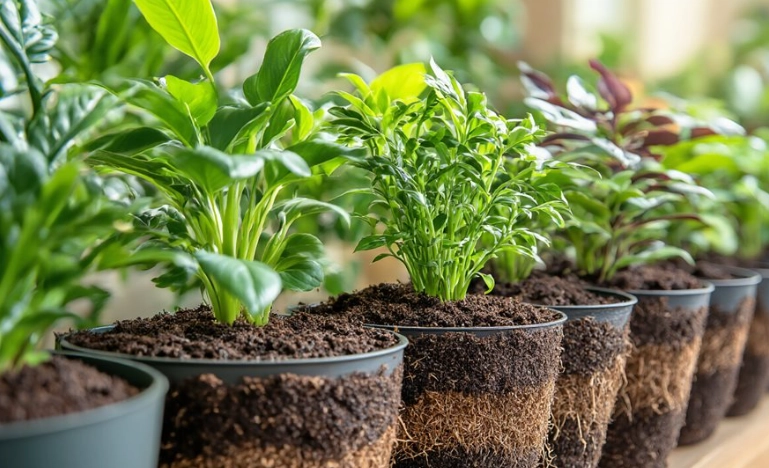
Short answer: a chunky, airy mix that drains fast but still holds some moisture. Think equal parts coco coir, perlite, and pine bark fines. That combo works for about 80% of common houseplants.
But here's the nuance nobody tells you — your watering style matters as much as the mix. If you water weekly like clockwork, go heavier on perlite (40%). If you forget for two weeks, add more coco coir (50%). I learned this the hard way with a fiddle leaf fig that sat in soggy soil for a month. The roots were brown and mushy. Not pretty.
My rule of thumb: squeeze a handful of moist mix. It should clump together, then break apart with one poke. If it stays a wet ball, it's too dense.
Why Regular Potting Soil Fails Indoors
Outdoor garden soil and cheap potting mixes contain real dirt. That dirt compacts in containers. Indoor pots don't have earthworms or freeze-thaw cycles to loosen things up. Water pools at the bottom. Roots rot.
I bought a $4 bag of "all-purpose potting soil" from a big box store last spring. Within three weeks, my snake plant's leaves started drooping. I pulled it out — the root ball was sitting in a swamp. The mix was 70% peat moss and silt. No drainage.
Peat moss is not the enemy, but straight peat without perlite or bark is a death sentence for indoor plants. Avoid bags that list peat as the first ingredient with no aeration additives.
Top 3 Indoor Plant Soil Mixes I Actually Use
After testing a dozen brands and DIY blends, these three earn a permanent spot in my plant corner.
| Rank | Mix | Best For | What I Noticed |
|---|---|---|---|
| 1 | Fox Farm Ocean Forest | Heavy feeders (monstera, philodendron) | Rich in bat guano and earthworm castings. My monstera pushed out three new leaves in a month. Slightly pricey but lasts two seasons. |
| 2 | DIY 3-1-1 Mix (coco coir + perlite + pine bark) | Most aroids and ferns | I mix a 5-gallon bucket for about $12. It drains in seconds. No gnats. My go-to for repotting days. |
| 3 | Black Gold All Purpose | Succulents and cacti (with extra perlite) | Already light. I add 30% pumice for my jade plant. It stopped dropping leaves after I switched. |
That DIY mix? I stumbled on it after reading a Royal Horticultural Society guide on container growing. They emphasize bark fines for air pockets. It works.
How to Choose the Right Houseplant Soil Mix
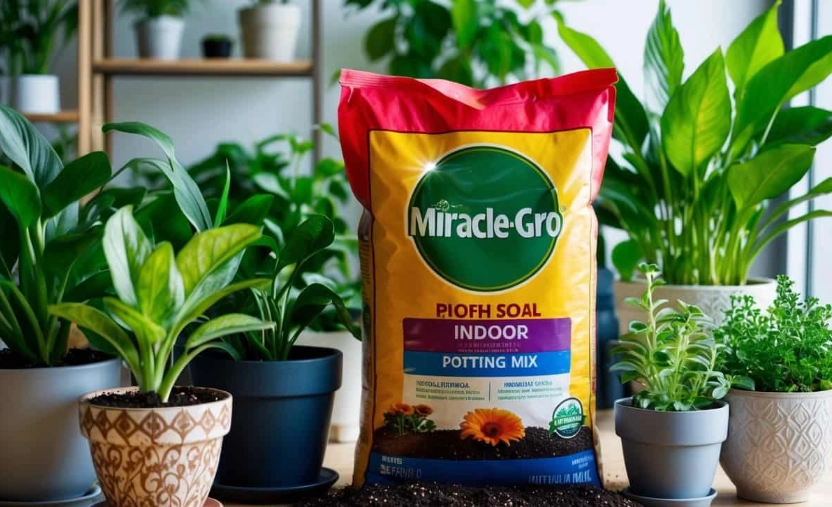
Stop reading bag labels. Flip the bag over and look at the ingredients list. You want to see perlite, pumice, or bark in the first three items. If the first ingredient is peat moss or "forest products" with no aeration, put it back.
Here's what I tell friends who ask me at nurseries:
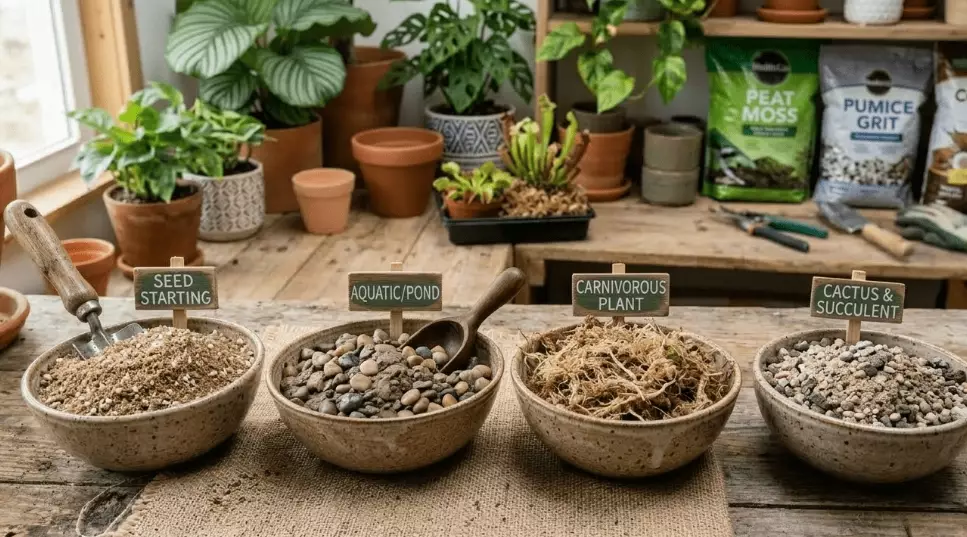
- For moisture-loving plants (ferns, calathea): 50% coco coir, 30% perlite, 20% worm castings.
- For succulents: 40% pumice, 40% coarse sand, 20% coco coir.
- For aroids (monstera, pothos): 40% pine bark fines, 30% perlite, 30% coco coir.
One more thing — always check the bag for fungus gnats. I once brought home a bag that was crawling with them. Now I open bags outside and let them dry out for a day before using.
When to Repot and Refresh Your Soil
Soil breaks down. After 12–18 months, perlite crushes, bark decomposes, and the mix loses structure. You'll notice water running straight through the pot or sitting on top. That's your cue.
I repot most of my plants in early spring, just before the growth spurt. But if you see roots circling the drainage hole or poking out the top, don't wait. Move it to a pot one size up with fresh mix.
For a quick refresh without full repotting, I scrape off the top inch of soil and replace it with fresh mix. That buys you a few months. Works great for large plants you can't easily lift.
Quick Answers to Common Soil Questions
Can I use garden soil for indoor plants if I add perlite?
Garden soil carries weed seeds, pests, and fungal spores that thrive in warm indoor rooms. Perlite helps drainage but doesn't sterilize the dirt. I tried this once with a bag of backyard soil and ended up with a fungus gnat infestation that took months to clear. Stick with soilless mixes.
How often should I change the soil in my indoor pots?
Every 12 to 18 months for most houseplants. But if you see white crust on the soil surface or water pooling on top, change it sooner. My snake plant went three years in the same mix and survived, but it grew slower. Fresh soil made a visible difference in leaf size within six weeks.
Is it okay to mix leftover soils from different bags?
Yes, but check the texture first. If one bag is mostly peat and another is mostly bark, blend them with extra perlite to balance. I keep a bucket of "mystery mix" for plants that don't care much. But for picky plants like calathea, start fresh. The risk of compaction isn't worth it.
One last thing — don't overthink it. The best soil for indoor plants is the one that keeps roots breathing and water moving. Your plant will tell you within a month if you got it right.
This guide was fact-checked against horticultural guidelines from the Royal Horticultural Society and my own three-year trial with 12 soil blends.

Comments