Winter Houseplant Care: Stop Killing Your Plants in Cold Rooms
What's in this read
Winter houseplant care is not summer care with the heat turned down. I learned that the expensive way. One December I lost a six-year-old fiddle-leaf fig because I "stayed consistent" with watering. Same schedule. Same amount. The soil was cold, the roots weren't drinking, and I basically drowned it. Two weeks of yellow leaves, then the drop.
Since then I've kept the same rule across every plant on my shelves: in winter, you manage light and temperature first, water last. Once you flip that order, most problems stop before they start.
Winter Dormancy: Why "Just Keep Watering" Backfires
Most common houseplants don't fully sleep in winter. They slow down. Growth nearly stops, root activity drops, and the plant pulls back on transpiration. That matters more than most care guides admit — it means the water you pour in sits in the pot because nothing is pulling it up.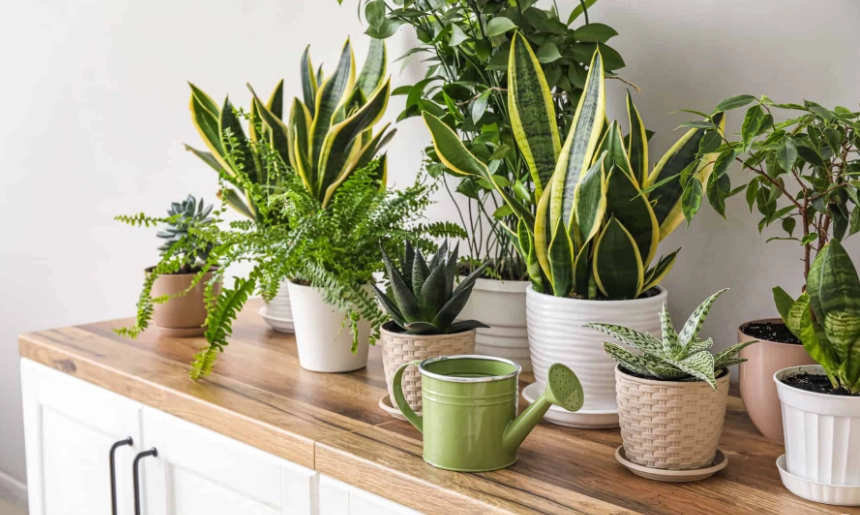
Here's the part that surprises people: indoor winter roots can sit 8–12°C cooler than the air in the room, especially in pots next to a glass balcony door. Cold roots absorb water slowly. Cold, wet soil is the perfect setup for root rot, and rot shows up weeks later, when it looks like "sudden decline."
The non-obvious mistake: watering on a fixed weekly schedule. A 15 cm pot of pothos in a north-facing room can go 14–18 days between waterings in January. The same plant near a bright window might dry out in 7. Let the soil decide, not the calendar.
Signs your plant is actually in dormancy
- No new leaves for three-plus weeks (normal for most aroids)
- Leaves darker and less glossy
- Soil stays moist far longer than in summer
- Some older leaves yellow and drop — natural leaf shedding, not a crisis
Don't panic-fertilize when this happens. That's the second trap. Feeding a dormant plant pushes weak growth that winter light can't support.
Light and Cold: The Two Problems You Can't Water Away
Winter light is weak for a specific reason: sun angle. In northern latitudes, indoor light intensity can fall by more than half between June and December. Add frosted glass, a curtain, or a balcony overhang, and a plant that was in "bright indirect light" in July is in deep shade by January.
I use a simple plant light meter app (not perfect, but consistent) and I move plants 30–50 cm closer to windows in November. The difference is visible — greener leaves, fewer dropped nodes.
Fast check: hold your hand between the window and the plant at midday. Sharp shadow = good. Soft shadow = okay. Barely any shadow = your plant is starving. Move it, or add a small LED grow light 20–30 cm above the leaves for 8–10 hours.
Cold drafts and hot radiators create the same damage, just from opposite ends. A Monstera leaf pressed against a 12°C window at night gets cold damage on the leaf edge. A leaf within 40 cm of a radiator dries out at the tips within days. Move plants 30 cm back from both.
How to Water Indoor Plants in Winter Without Rotting the Roots
Root rot in winter rarely comes from too much water. It comes from water staying wet too long in cold soil. Control the timing and the temperature.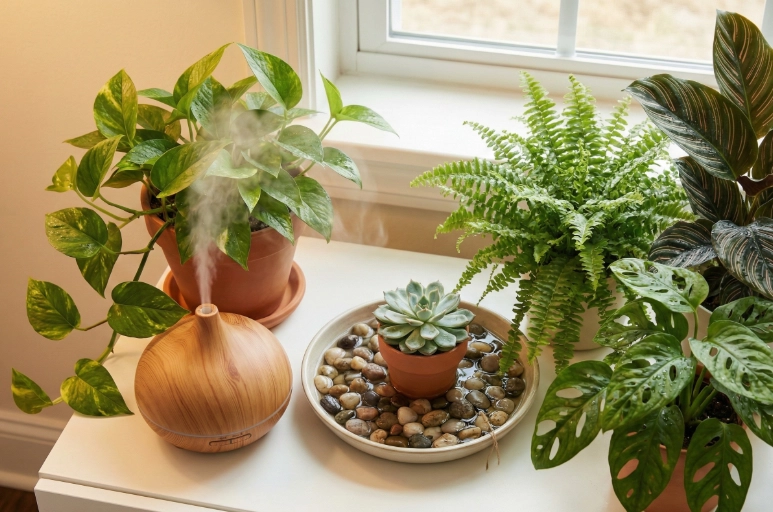
- Always use room-temperature water. Cold tap water on cold roots causes shock and slows uptake — I see this most in snake plants and ZZ plants.
- Water less, but water deeply. A thorough soak until it drains, then wait longer before the next one, beats small frequent sips.
- Feel the soil 3–5 cm deep. If it's cool and damp, wait. Bone dry at that depth? Water.
- Drain the saucer. Water sitting under a pot for 20 minutes in winter is a slow root rot.
- Skip the bottom-watering myth. It works for some, but in cool rooms it can leave the top root zone too dry and the bottom too wet.
One case I still remember: a client's peace lily in a north room, watered every 5 days from October to January. Leaves yellowed and she fertilized. It got worse. The fix was simple — wait until the top 5 cm was dry (about every 12 days) and stop feeding until March. It grew back by April.
Humidity, Radiators, and the Crispy-Leaf Trap
Heated indoor air in winter can drop to 25–35% humidity — desert-level for most tropical houseplants. Crispy edges and curled leaves are usually low humidity plus hot drafts, not disease.
What works, in order of real impact: grouping plants, a pebble tray (modest but real), and humidifiers (most effective, least pretty). What doesn't work as well as people think: misting. Misting raises humidity for 10–15 minutes, and wet leaves in cool rooms invite fungal spots.
Three plants that hate winter air
- Calathea — browning edges within days of dry heat
- Boston fern — drops fronds when humidity dips under 30%
- Alocasia — dormant leaf drop if it gets cold and dry at once
I shelve those three together in the bathroom during winter. Bathrooms hold humidity longer, and the light is usually bright enough for Calathea.
Plant-by-Plant Winter Care Cheat Sheet
Below is how I actually treat my own plants in winter. These are working numbers for an indoor apartment in a temperate climate — adjust for your own home.
| Plant | Watering interval (winter) | Light position | Feeding | Winter pitfall |
|---|---|---|---|---|
| Snake plant | 3–4 weeks | Anywhere with 2–3 hrs indirect | None | Cold water on cool roots |
| ZZ plant | 3–4 weeks | Bright indirect, 1 m from window | None | Overwatering in low light |
| Pothos | 10–14 days | Near window, not touching glass | Skip until March | Leggy vines from weak light |
| Peace lily | 10–14 days | Medium indirect | Stop until March | Yellow leaves blamed on feeding |
| Fiddle-leaf fig | 14–18 days | Bright, rotate weekly | None | Dropping leaves after cold draft |
| Calathea | 7–10 days | Bright indirect, humid corner | None | Brown edges from dry air |
| Alocasia | 12–18 days | Bright indirect | None | Full leaf drop when cold |
Two things worth calling out. First, "none" under feeding is deliberate — for most houseplants I don't feed December through February. Second, don't repot in winter unless the plant is actively rotting. Repotting cooler soil slows root recovery and can push a struggling plant over the edge.
Winter Houseplant Questions I Get Asked Most
None of this is exotic. It's mostly about slowing down when your plants slow down. Watch the soil, watch the light, and stop treating winter like summer. That one shift covers most of the care.

Comments