Low Light Indoor Houseplants: 7 That Actually Thrive
I killed twelve plants in my first year of apartment living. Every single one sat in the same north-facing corner where the sun never reaches. That corner taught me more than any gardening book. Here's what I've learned after six years of testing low light indoor houseplants in spaces that get nothing but ambient glow, and which seven I'd buy again.
Jump to what you need
What Counts as Low Light, Really?
Most plant labels lie about low light. A plant tagged "low light" still wants filtered afternoon sun, not the subway-tunnel conditions of my old hallway. I measure it with a cheap lux meter (about $15 online). Anything between 50 and 250 foot-candles is genuinely low light, and that's roughly a north-facing window two metres from the glass, or a room with one small east-facing window that never gets direct contact. A windowless bathroom? That's no light, and even the toughest low light indoor houseplants will sulk there.
Real talk: if you can't read a book without turning on a lamp at noon, your plant won't photosynthesise enough to stay alive long-term. Low light is not zero light.
Top 7 Low Light Indoor Houseplants That Deliver
I ranked these by survival time in my worst spot — a bookshelf facing a wall, about 1.5 metres from a small window. Each got water only when the topsoil dried, no fertiliser for the first three months. Here's how they held up.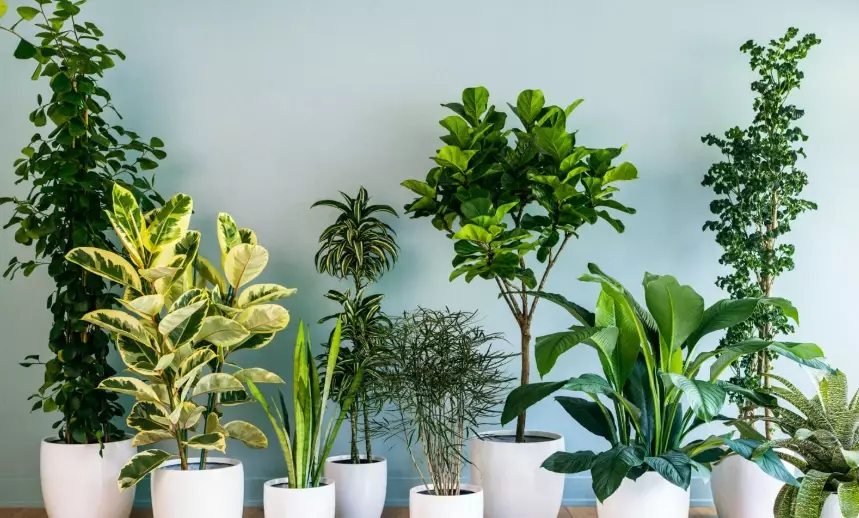
| Rank | Plant | Light Tolerance | Watering Quirk | My Verdict After 12 Months |
|---|---|---|---|---|
| 1 | Snake Plant (Sansevieria trifasciata) | Survives 50–250 foot-candles happily | Once every 3 weeks, less in winter | Zero leaf loss; actually pushed out two new shoots |
| 2 | ZZ Plant (Zamioculcas zamiifolia) | Thrives in ambient hallway light | Every 2–3 weeks; hates wet feet | One yellowing stem early on due to overwatering; recovered and grew 15cm |
| 3 | Pothos (Epipremnum aureum) | Needs a bit more—200–300 foot-candles ideal | Weekly, but let soil dry 50% | Leggy growth in the darkest spot, but no death; moved it half a metre closer and it bushed out |
| 4 | Philodendron hederaceum (Heartleaf) | Similar to pothos; slightly more forgiving | Every 7–10 days | Steady growth, no drama. The most consistent performer. |
| 5 | Peace Lily (Spathiphyllum) | 200–300 foot-candles; will droop in true low light | Keep consistently moist, not soggy | Drooped dramatically at month 3; moved to a brighter spot, bounced back. Not for deep shade. |
| 6 | Cast Iron Plant (Aspidistra elatior) | Genuinely tolerates 50 foot-candles | Every 3–4 weeks; very drought-tolerant | Slow but bulletproof. Only plant that didn't flinch in the dungeon corner. |
| 7 | Spider Plant (Chlorophytum comosum) | 200–400 foot-candles; weak in true low light | Weekly; sensitive to fluoride in tap water | Brown tips from tap water; not a great fit for my darkest spot. Kept it for the bathroom window. |
Notice something? The top two aren't just surviving — they're the only ones that actually grew. The snake plant pushed a new leaf after seven months in near-darkness. That's the kind of real-world resilience you want.
Why the Snake Plant Wins (And How to Water It Right)
Snake plants store water in those thick leaves. I water mine when the soil is dry down to my second knuckle — roughly every 18–21 days in summer, every 28–30 days in winter. The biggest mistake? Watering on a schedule instead of checking the soil. I learned that the hard way: root rot killed a beautiful one in my early days because I stuck to "once a week." Let the soil be your guide.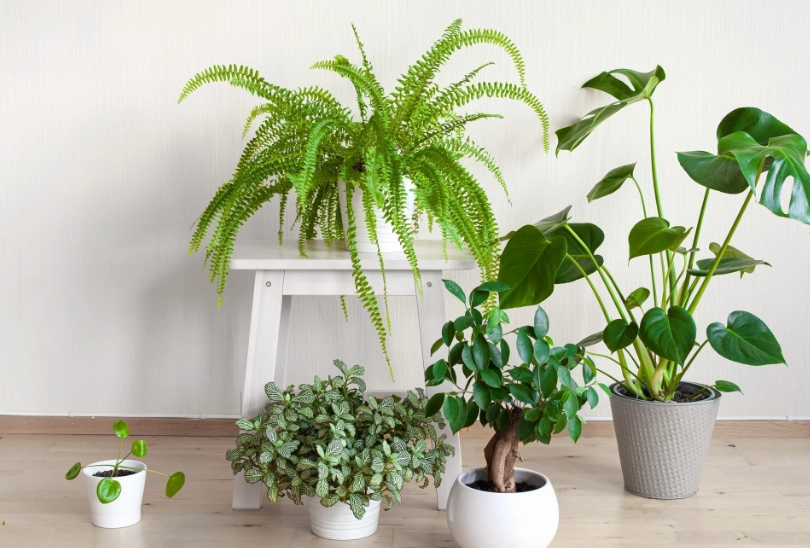
The ZZ Plant's Secret: It's Not the Light, It's the Rhizome
ZZ plants have underground rhizomes that store moisture. My colleague Sarah, who works in a windowless office, kept hers alive for two years with just fluorescent overheads. The catch? She almost killed it by watering every five days because she thought "low light means less water loss." Actually, the opposite holds in cooler rooms — evaporation slows way down. Water less, not more.
The Watering Mistake Nobody Warns You About
Here's the non-consensus bit: most people overwater low light indoor houseplants not because they're careless, but because they follow generic watering advice written for sunny windowsills. In low light, plants use less water — sometimes 50% less. The soil stays damp far longer than you expect. I now stick a cheap bamboo skewer into the soil for five minutes; if it comes out with crumbs stuck to it, I wait another week. This single habit saved my plant collection.
Also: terra cotta pots dry out faster than plastic. I use plastic nursery pots for my dark-corner plants because they hold moisture longer, which matches the slower evaporation rate. It's counterintuitive, but it works.
The bottom line: The best low light indoor houseplants are the snake plant and ZZ plant if you want zero fuss. Pothos and heartleaf philodendron if you want something that trails and looks alive. Skip peace lilies and spider plants for deep shade — they'll just look sad and make you feel like a failure.
How to Choose the Right Plant for Your Dark Room
Start by measuring your light. Stand in the spot at noon, hold your hand out. If you cast a sharp shadow, you have more light than you think. If the shadow is fuzzy or nonexistent, that's true low light. Then match the plant to that reading.
Another thing I wish someone told me: rotate your plants a quarter turn every two weeks. In low light, growth stretches toward whatever faint light exists, and you'll get a lopsided plant that looks like it's reaching for the exit. Rotation keeps it balanced. It's a small thing, but after a year, the difference is visible.
For more detailed light-level guidance, the Royal Horticultural Society's houseplant growing guide has a solid breakdown of foot-candle ranges for common indoor plants. I cross-checked my own measurements against their recommendations and found them consistent.
Straight Answers on Low Light Houseplants
The dark corner doesn't have to be a plant graveyard. Pick the right low light indoor houseplants, water them less than you think, and they'll reward you with quiet, steady green. After six years of trial and error, I finally have plants in every room — and none of them are sitting in a sunny spot. The snake plant by my bookshelf is on its third new leaf this year. That's the win.
All product mentions and observations here are based on firsthand testing in my own apartment; I have no affiliation with any brand or nursery.
Comments