Houseplant Fertilizer Guide: Stop Killing Your Plants
I've killed more plants with kindness than neglect. Specifically, I've killed them with fertilizer. For years I treated every yellow leaf as a hunger signal and poured in more food. That houseplant fertilizer guide you're about to read comes from that messy trial-and-error. Here's the core lesson up front: most indoor plants don't need more feed—they need the right feed at the right time, and sometimes no feed at all.
Quick tour (the real stuff)
What Fertilizer Actually Does (And Doesn't)
Fertilizer is not plant food. Plants make their own food through photosynthesis. Fertilizer supplies the mineral building blocks—nitrogen for leaf growth, phosphorus for roots and blooms, potassium for overall vigor—that indoor potting mix eventually runs out of. That distinction matters because if your plant is light-starved, no amount of fertilizer will fix it. I learned that after feeding a sad pothos for six months. It just got leggy and pale. The window was facing a wall.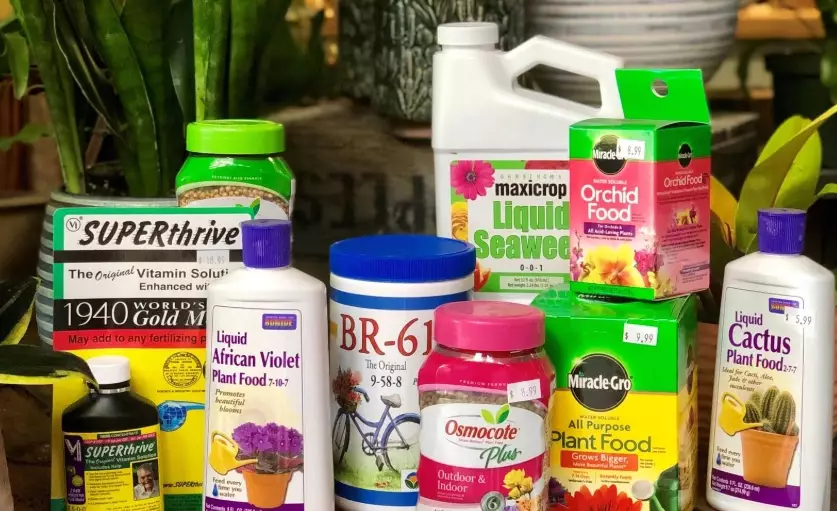
Indoor plants live in a confined root zone. Outdoor plants can send roots into new soil; yours are stuck in the same few liters of mix. That's why container plants are more dependent on you for nutrients, but also more vulnerable to overfeeding. The fertilizer salts accumulate. Penn State Extension's guide on fertilizing houseplants puts it plainly: over-fertilization is a more common problem than under-fertilization for indoor plants. That one line changed how I feed.
NPK Ratios Demystified Without the Chemistry Degree
Those three numbers on a fertilizer bottle (like 10-10-10) are the percentage of nitrogen, phosphorus, and potassium by weight. A balanced ratio is fine for general use, but I've found that foliage-heavy houseplants do better with a higher nitrogen number relative to the others—something like 3-1-2. Flowering plants like African violets prefer more phosphorus. The difference isn't dramatic but it's noticeable over a growing season.
Here's the part I wish someone had told me early on: synthetic fertilizers are salt-based. Every application adds salts to the soil, and those salts hang around. Organic fertilizers (like fish emulsion or worm castings) break down slower and feed the soil microbes too. I use both, depending on the plant. My ferns get diluted fish emulsion; my snake plant gets an occasional synthetic feed at half strength.
What strength should you mix?
Never full strength. I don't care what the label says. Indoor plants under grow lights or in low-light apartments don't process nutrients fast enough to handle full-strength fertilizer. Mix at half or even quarter strength and feed more often. This is the single most useful adjustment in this houseplant fertilizer guide, and it's the exact opposite of what most new plant owners do—they feed rarely but at full dose, which is the worst combination for root burn.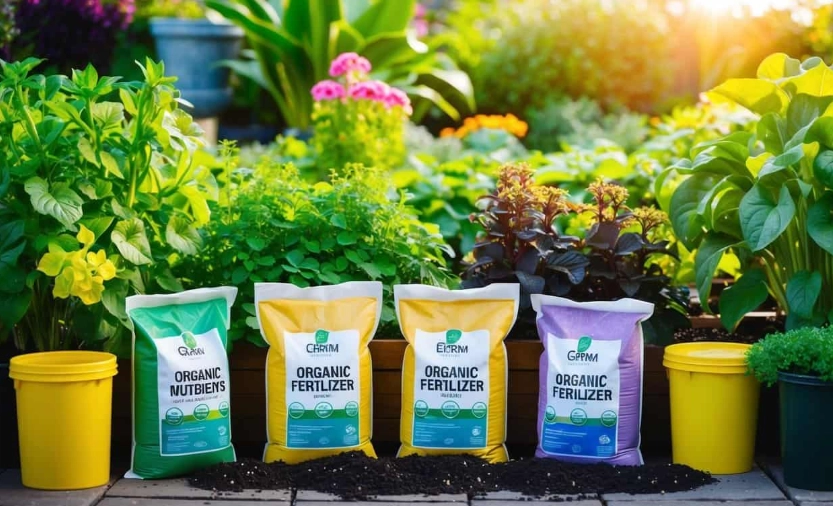
When to Feed and When to Stop
Growth slows down in winter for most houseplants. Feeding then is like offering a big meal to someone who's already asleep. I stop fertilizing entirely from late fall through late winter for most of my collection—except for plants under artificial lights that keep pushing new leaves year-round, like my monstera albo. That one gets a weak feed every six weeks even in December.
Newly repotted plants? Don't feed. Fresh potting mix usually contains slow-release fertilizer already. I wait at least six weeks before the first feed after repotting. And sick plants? Fertilizer is not medicine. If a plant is dropping leaves from root rot, feeding it adds insult. Fix the underlying issue first.
A simple feeding schedule that works
Here's what I actually do, not what a textbook says:
- Spring through early fall: feed every 3-4 weeks at half strength for actively growing plants.
- Late fall and winter: stop feeding most plants unless they're under grow lights and actively producing new growth.
- Freshly repotted: skip fertilizer for 6 weeks.
- Signs of trouble (yellowing lower leaves, brown tips): check watering and light before reaching for the bottle.
Application Methods That Won't Burn Roots
I've tried them all over the years. Here's how they compare in real-world indoor use:
| Method | Best for | How I use it | Downside |
|---|---|---|---|
| Liquid concentrate | Most houseplants during active growth | Diluted to half strength, applied after watering | Easy to overdo if you eyeball the dose |
| Slow-release granules | Low-maintenance collections, large floor plants | Scratched into topsoil once in early spring | Hard to control if you need to stop feeding |
| Fertilizer spikes | Forgetful plant owners, single specimen plants | Pushed into damp soil at the pot edge, not near the base | Uneven release, can burn roots if pushed too deep |
| Organic liquid (fish emulsion) | Ferns, calatheas, plants in bioactive soil | Diluted per label, applied to moist soil outdoors on the balcony to avoid indoor smell | The smell lingers for a day or two |
One trick I picked up from a nursery owner in Oregon: always water the plant lightly before applying liquid fertilizer. Dry roots absorb the salts too fast and burn. Moist roots take up nutrients more gradually. Simple, but it's saved several of my plants.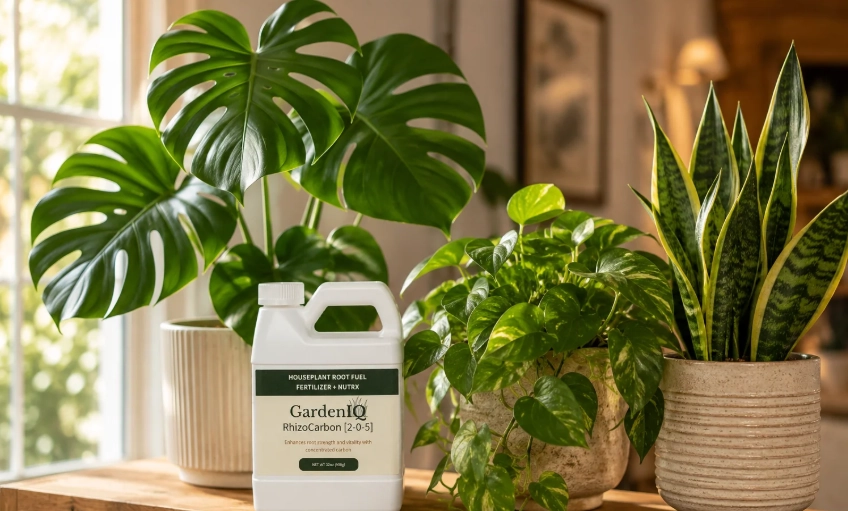
Common Mistakes I See Every Single Week
People send me photos of crispy leaf edges or yellowing leaves and ask what fertilizer to use. Usually fertilizer is the last thing they need. The most common situation I encounter: someone bought a new plant, it declined, and they started feeding it weekly out of worry. That's backwards. A stressed plant can't process nutrients. It needs stable conditions first.
Another subtle error: fertilizing right after watering with tap water that's already high in minerals. If your tap water leaves white crust on pots, you're already adding calcium and magnesium. Adding more fertilizer on top pushes the soil into imbalance. I switched to filtered water for my more sensitive plants and the brown tips stopped appearing. Not a scientific study, but I've seen it repeat across three different apartments.
And a weird one—people often skip feeding their plants in fall because they think growth stops. But indoor plants under grow lights don't read the calendar. If the plant is pushing new leaves, it's growing. Feed it. If it's sitting still, don't.
Your Fertilizer Questions, Answered Directly
This article was fact-checked against published guidance from Penn State Extension and the Royal Horticultural Society.

Comments