When to Repot Houseplants: 5 Telltale Signs You're Missing
What's in this guide (tap to jump)
I still remember the first houseplant I killed by repotting too early. A healthy monstera, thriving in its nursery pot. I thought I was being a good plant parent by upsizing. Three weeks later, root rot set in. That mistake taught me more than any guide: repotting at the wrong time is worse than not repotting at all.
So when should you repot? When you see roots circling the drainage hole, water runs straight through, or growth stalls for weeks. Those are the big three. But there's more nuance—and timing matters as much as the signs. Let me walk you through exactly what I look for after ten years of growing everything from ferns to fiddle leaf figs.
5 Signs Your Houseplant Needs Repotting
Forget the calendar. Plants don't read schedules. Here's what I actually check—and trust me, I've learned these the hard way.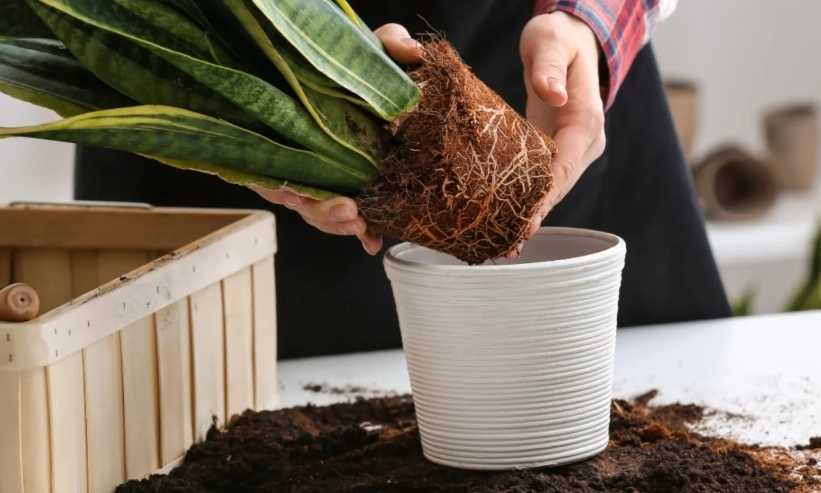
1. Roots are circling or poking out
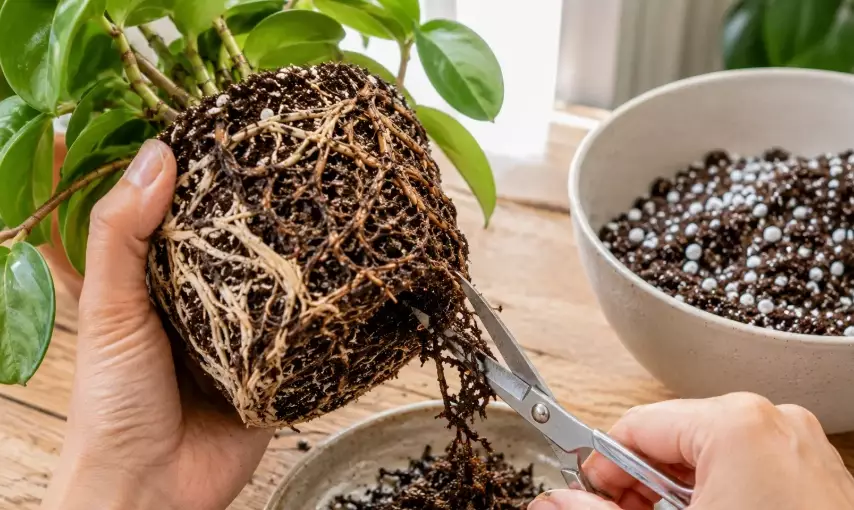
Gently lift the pot. If you see thick white roots spiraling around the inside or escaping the drainage hole, it's time. But wait—there's a catch. Some plants (like snake plants) like being snug. Only repot when roots are visibly cramped and the plant looks unhappy.
I once left a pothos in a pot for two extra years because the roots were circling but the leaves were glossy and new growth kept coming. The plant didn't care. Don't fix what isn't broken.
2. Water runs straight through
If you water thoroughly and it flows out the bottom in seconds, the soil is likely compacted and root-bound. The water has nowhere to go but out. Stick your finger in—if it's bone dry two inches down right after watering, that's your cue.
3. Growth has stalled for weeks (not due to season)
Plants slow down in winter. That's normal. But if it's spring and your plant hasn't pushed a single new leaf in a month, repotting might be the answer. I use a cheap moisture meter to rule out watering issues first—nine times out of ten, it's a watering problem, not a pot one.
4. Soil is pulling away from the sides
When the root ball shrinks, soil pulls away from the pot edges, creating a gap. Water just slides down the sides. This is a classic sign—and one I see in almost every neglected office plant.
5. The pot tips over easily
Top-heavy plants with shallow root systems (looking at you, rubber trees) become unstable. If your plant falls over from a light bump, the roots can't anchor it anymore.
| Sign | What it looks like | Urgency |
|---|---|---|
| Roots circling | White roots spiraling inside pot | Repot within 1-2 weeks |
| Water passes through | Fast drainage, dry soil | Repot now |
| Stalled growth | No new leaves in 4+ weeks (spring/summer) | Check roots first |
| Soil pulling away | Gap between soil and pot | Repot now |
| Pot tips over | Top-heavy plant | Repot soon |
Best Time of Year to Repot
Spring—specifically when you see the first new growth—is the safest window. I aim for early March to late May, depending on your climate. The plant is actively growing, so roots recover faster.
Can you repot in summer? Yes, but avoid heat waves. I once repotted a fern in July during a 95°F week. It sulked for a month. Lesson learned: wait for a mild stretch.
Fall repotting? Risky. The plant is preparing for dormancy. Roots won't grow much, and soggy soil stays wet longer—a recipe for rot. I only repot in fall if it's an emergency (like a cracked pot or severe root rot).
Winter repotting? Almost never. Unless you have grow lights and warm temps, wait. I've done it once for a rescue plant—it survived but didn't grow until April.
How to Repot Without Killing It
I've seen people yank plants out, shake off all the soil, and wonder why the plant dies. Don't do that. Here's my step-by-step approach that works for 90% of houseplants.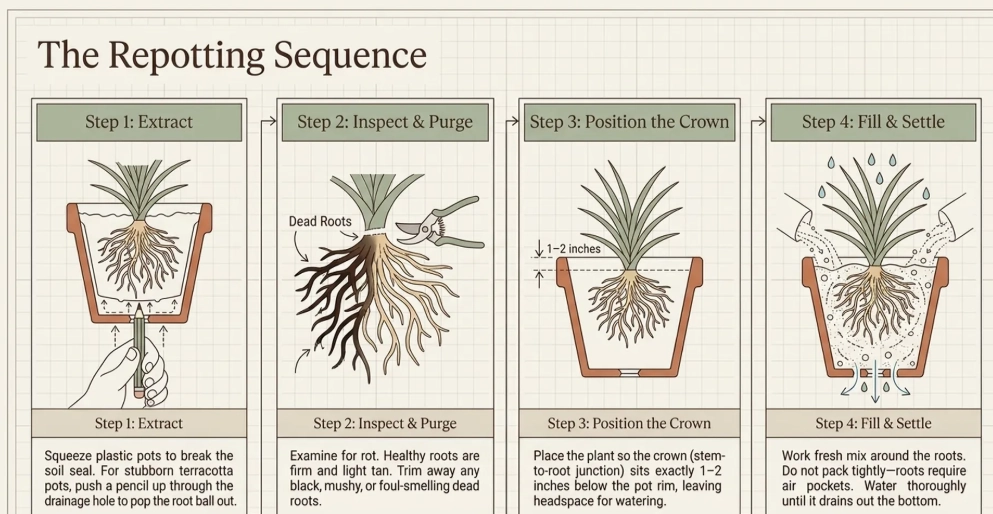
Step 1: Water lightly the day before
Dry roots are brittle. Moist soil holds together better. I give a small drink (not a full watering) 12-24 hours before.
Step 2: Choose the right pot size
Go up 1-2 inches in diameter max. A 6-inch pot becomes an 8-inch. Going too big means excess soil stays wet, causing rot. I've made this mistake with terracotta pots—they dry faster, but the principle holds.
Step 3: Loosen, don't rip
Gently squeeze the pot. If roots are stuck, use a chopstick to loosen the edges. Then tip the plant out, supporting the base. Never pull by the stem.
Step 4: Tease roots (but skip for fine-rooted plants)
For chunky-rooted plants like monstera, gently tease the outer roots. For ferns or calatheas, don't bother—they'll resent it. I learned that after losing a beautiful calathea. Just plop it in.
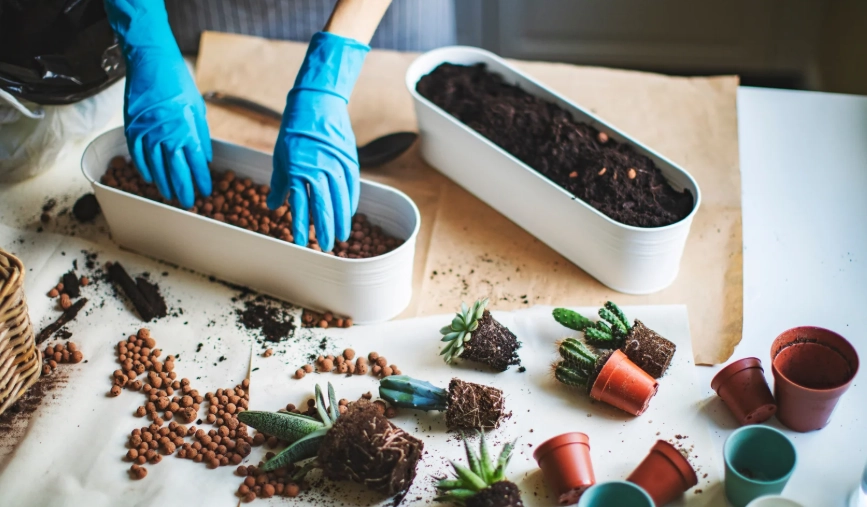
Step 5: Use fresh, well-draining mix
I mix 3 parts potting soil, 1 part perlite, and a handful of orchid bark for most tropicals. Avoid garden soil—it compacts.
Step 6: Water and settle
Water thoroughly until it drains out. Then fill any gaps with more mix. Don't press the soil down hard.
Aftercare That Actually Works
Repotting is stressful for plants. Keep it in bright, indirect light—not direct sun. Skip fertilizer for 4-6 weeks. I know it's tempting to feed, but roots are healing. Feeding too early burns them.
Expect some leaf drop. That's normal. I always tell people: if you lose one or two old leaves, don't panic. New growth usually appears within a month.
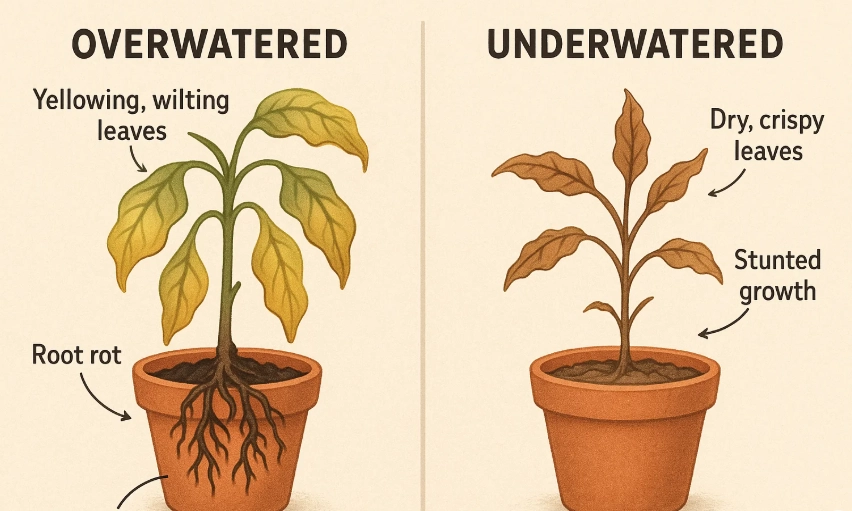
Watch for overwatering. Fresh soil holds more moisture. I check with my finger every 5 days instead of the usual 7 for the first month.
Pro tip I wish I knew earlier: After repotting, don't water again until the top inch feels dry. Fresh soil stays wet longer than you think. Overwatering after repotting is the #1 killer—more than root damage.
Expert Answers to Common Questions
At the end of the day, repotting is a judgment call. Trust the signs, not the calendar. And when in doubt, wait a week. I've never regretted waiting—but I've regretted rushing plenty of times.
This guide reflects my firsthand experience growing over 60 houseplants.

Comments