Spring Houseplant Checklist: Avoid 7 Deadly Mistakes
Every April, I haul my plants onto the balcony and give them a brutal once-over. Last year, that saved my fiddle-leaf fig from a thrips outbreak that would’ve wiped out three shelves. This spring houseplant checklist isn’t a Pinterest list—it’s the exact sequence I’ve refined over ten years, including the steps most people skip until it’s too late. Use it before you water, repot, or fertilize anything.
What’s in this quick guide
Inspect Before You Touch: The 10-Minute Scan
Old leaves hide everything. Flip each pot upside down and look at the drainage holes. I’ve found root mealybugs more often than I’d like—white fuzz around the holes. Check the undersides of leaves with a flashlight. Thrips larvae look like tiny moving dust specks. And run a finger along the stem. Sticky residue means scale or aphids. Do this before you water or move anything. A stressed plant from winter is a pest magnet.
The non-consensus mistake: Most spring checklists tell you to water first. Wrong. Watering a pest-infested plant spreads crawlers through the soil splash. I inspect dry plants—pests are easier to spot when leaves aren’t slick with moisture.
Why Cleaning Leaves Matters More Than Watering
Dust blocks light. A dirty leaf can lose 30% of its photosynthetic capacity. I use a soft microfiber cloth dampened with room-temperature water—no leaf shine, no oil. For fuzzy leaves like African violets, a dry paintbrush works. While cleaning, I snip off any dead or yellowing foliage with sterilized snips. Don’t pull—you’ll tear the stem and invite rot.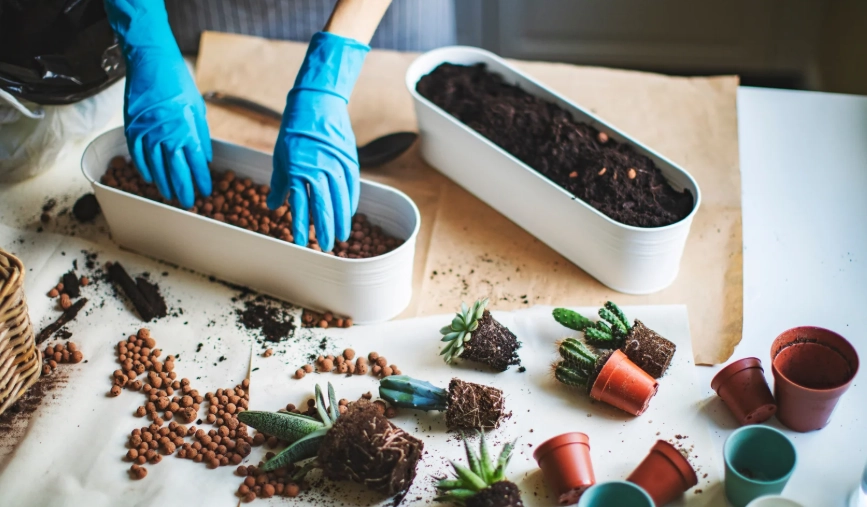
Also: wipe the pot rims and saucers. That’s where fungus gnats lay eggs. I keep a spray bottle of 1 part 3% hydrogen peroxide to 4 parts water for saucer wipe-downs. It kills eggs on contact and dries fast.
How to Decide Repot or Not (Stop Guessing)
Spring is repotting season, but not every plant needs it. I see people repot perfectly happy plants every March and then wonder why leaves drop. Root-bound is not always a problem. Here’s my rule of thumb after a decade of trial and error:
| Sign | Repot in spring? | Why |
|---|---|---|
| Roots circling the topsoil | Yes, within 2 weeks | Pot-bound roots dry out too fast and stop absorbing nutrients |
| Water runs straight through the pot | Yes, if it also dries out in under 2 days | Means root mass is too dense |
| New growth but no root poking out | No—wait another year | Disturbing healthy roots sets the plant back 4–6 weeks |
| Yellowing lower leaves + soggy soil | No—check for rot first | Repotting a rotting plant into fresh soil kills it faster |
When I do repot, I go up only one pot size. A 6-inch pot becomes an 8-inch pot, not a 10-inch. Oversized pots hold excess moisture and cause root rot—the number one spring killer.
Spring Watering & Feeding: Timing Is Everything
Days are longer, growth resumes, but the soil is still cold. I wait until the soil temperature hits 65°F (18°C) at a 2-inch depth. Stick a cheap compost thermometer in—$12 on Amazon, worth it. Water deeply but less often. A common mistake is switching to a “summer schedule” in early March. The roots aren’t ready.
For fertilizer, I start with half-strength liquid feed after the first new leaf unfurls. Not before. I use a balanced 10-10-10 at half dose. And I never feed a dry plant—always water first, then feed. Feeding dry roots burns them.
My personal hack: I keep a calendar note for each plant’s first new leaf. That date—not the calendar—starts the feeding schedule. My monstera usually unfurls around April 10 in my east-facing window. My snake plant? Not until May. Different clocks.
Pest Patrol: What I Check and Where
Spring brings fungus gnats and spider mites out of dormancy. I place yellow sticky traps horizontally on the soil surface—vertical traps catch adults, horizontal ones catch emerging gnats. For spider mites, I mist the undersides of leaves with water twice a week (they hate humidity). I don’t reach for neem oil first. A strong jet of water from the kitchen sink every three days for two weeks breaks the mite life cycle. Only if that fails do I use insecticidal soap.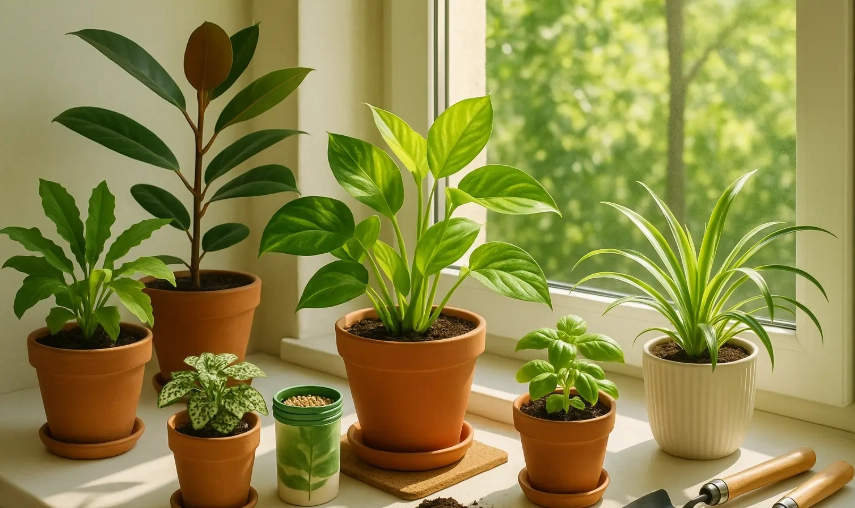
One overlooked spot: the gap between the pot and the saucer. Mealybugs hide there. I lift every pot and inspect the saucer rim.
Room-by-Room Spring Houseplant Checklist
Your plants live in microclimates. Here’s the checklist I run in each room:
Living Room (Bright Indirect Light)
- Rotate pots a quarter turn every week (I do it Sunday mornings).
- Wipe windows inside and out—dirty glass cuts light by 20%.
- Check for drafts from AC vents. Move plants at least 2 feet away.
Bedroom (Low Light)
- Reduce watering frequency by 25% compared to living room plants.
- Use a moisture meter—finger tests lie in low-light soil.
- Watch for edema (bumpy leaves) from inconsistent watering.
Bathroom (Humidity Lovers)
- Check for mold on soil surface. If present, scrape the top inch and replace with fresh mix.
- Clean shower glass monthly—soap scum blocks light.
Questions I Answer Every Season
My plant looks dead after winter—should I repot it first thing in spring?
No. Repotting a severely stressed plant is like running a marathon with a broken ankle. First, check the roots. If they’re firm and white, leave the plant alone. Water lightly, give it bright indirect light, and wait for new growth. Only repot if roots are mushy or circling tightly. When in doubt, wait two weeks.
Is it safe to use the same pruning shears on multiple plants without sterilizing?
Absolutely not. I keep a small jar of 70% isopropyl alcohol and dip the blades between plants. One snip on an infected stem can spread mosaic virus to your entire collection. No exceptions. A 10-second dip is cheaper than replacing a philodendron.
Why do my plants get fungus gnats every spring even when I let the soil dry out?
Because the larvae survive in the bottom inch of soil where it stays moist. Letting the top dry isn’t enough. I bottom-water in spring—set the pot in a tray of water for 20 minutes, then drain. The top stays dry, gnats can’t lay eggs. Combine that with sticky traps and you break the cycle in 10 days.
How do I know if my spring fertilizer is too strong?
Look for white crust on the soil surface and brown leaf tips. That’s salt burn. I flush the pot with three times the pot’s volume of room-temperature water, let it drain completely, and skip fertilizer for a month. Most spring problems come from overfeeding, not underfeeding.
Run this spring houseplant checklist once in early spring and you’ll spend the rest of the season enjoying plants instead of rescuing them. Fact-checked against the Royal Horticultural Society’s houseplant care guidelines and my own decade of trial and error.

Comments